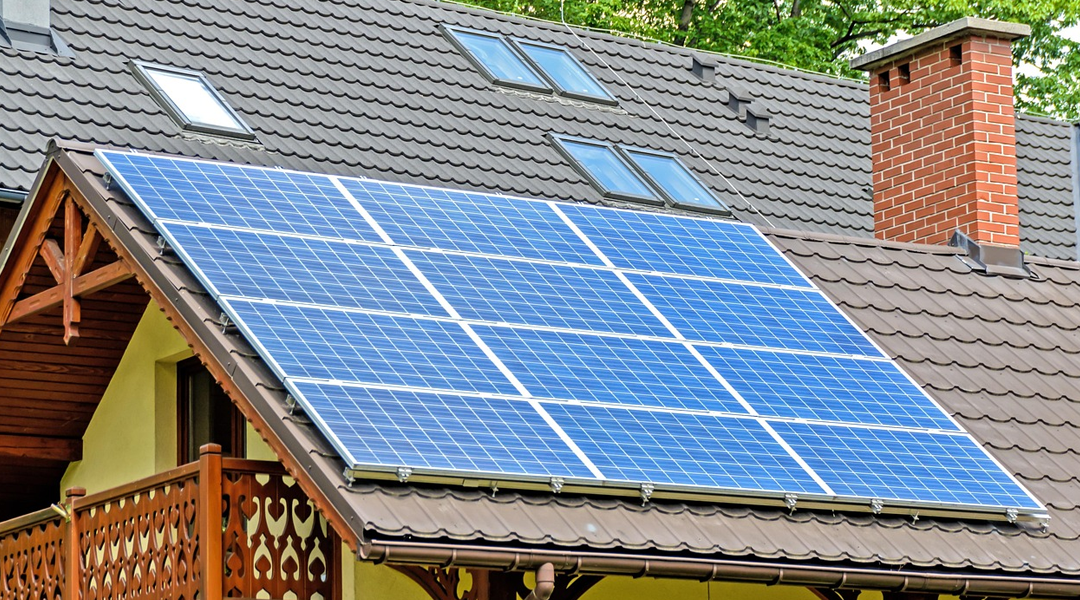

Home energy storage is evolving from an emergency-only add-on into a core technology that will transform how homes, neighborhoods, and power systems operate. Over the next ten years, residential batteries will act as intelligent, connected nodes — enabling new services, cleaner grids, and stronger local resilience. Below is a concise look at the major trends likely to define that shift and what different stakeholders should prepare for.
1) Residential batteries will act as grid resources
Instead of sitting idle until an outage, home batteries will increasingly provide system-level services such as frequency regulation, demand reduction, and load balancing. Aggregated home systems — virtual power plants (VPPs) — are already helping utilities manage peaks and defer generation or transmission upgrades. Expect VPPs to expand geographically and become a meaningful income stream for homeowners who opt in.
2) AI-driven BMS will extend life and performance
Battery management will move beyond simple control logic to AI-powered platforms that forecast degradation, schedule optimal charging windows, and coordinate across many systems using weather and price forecasts. These capabilities will improve safety, increase usable capacity, and extract more lifetime value from each installation.
3) Local energy markets and peer-to-peer trading will grow
New platforms (often using distributed-ledger or smart-contract technology) are making it possible for neighbors to trade surplus solar or stored energy directly. These local marketplaces keep energy value within communities, improve utilization of distributed generation, and are likely to mature from pilots into commercially viable services integrated into home energy management systems.
4) Second-life uses and circular economics will scale
As EV and stationary batteries retire from their first use, repurposing them for stationary storage and advancing recycling will reshape costs and environmental impacts. Repurposed EV packs are already being used in microgrids and commercial storage; broader adoption of reuse → recycle → remanufacture models will reduce material pressure and make deployments greener and cheaper.
5) Storage will be the coordination layer for smart homes and EVs
Energy will be treated like information — coordinated across thermostats, EV chargers, appliances, and home batteries. EVs will increasingly serve as both loads and mobile energy stores (V2H/V2G), blurring the lines between transport and home energy. Interoperability and well-designed APIs will become key purchasing criteria as consumers demand seamless cross-device experiences.
6) New ownership and service models will proliferate
Expect a shift from outright ownership toward financing, subscriptions, and outcome-based offers. Homeowners may lease capacity, join community storage pools, or buy “resilience-as-a-service” guarantees. Utilities, retailers, and installers will bundle storage with solar, chargers, and efficiency upgrades to simplify adoption and lower upfront cost barriers.
7) Policy, standards, and insurance will catch up
Wider deployment will push regulators, standards bodies, and insurers to clarify rules on safety, aggregation, interconnection, and compensation for distributed services. Consistent market rules and cybersecurity standards will be necessary to let aggregated residential fleets participate reliably and fairly in grid markets.
Practical implications
- For homeowners: Choose systems with strong software, open APIs, and clear terms about aggregation and VPP participation — think of storage as a platform, not just hardware.
- For utilities / grid operators: Design tariffs and procurement processes that reward distributed flexibility and make it easy for customers to participate.
- For manufacturers / startups: Prioritize AI-driven lifecycle optimization, user-friendly software, and building circular supply chains for second-life and recycling.
- For policymakers: Establish consistent rules for aggregation, fair compensation frameworks, and incentives that encourage reuse and proper recycling.
Home energy storage will evolve into a far more capable and connected technology than it is today
In the coming decade, home energy storage will evolve into a far more capable and connected technology than it is today. It will provide local resilience, act as an intelligent asset optimized by AI, enable new local energy markets, and play a major role in decarbonizing residential power — provided the ecosystem addresses interoperability, standards, and circularity. This transition opens new value for homeowners, adds flexibility to grids, and creates fresh opportunities for businesses that can deliver safe, software-led, and sustainable storage solutions.
All articles for the special edition of home energy storage
(#1) Home Energy Storage 101 : The Foundation of a Smart Energy Future
(#4) From Grid-Tied to Off-Grid: How Home Energy Storage Works with Solar and Smart Homes
(#5) The Economics of Home Energy Storage: ROI, Incentives, and Payback Periods
(#6) Safety and Standards: Building Trust in Home Energy Systems
(#7) The Competitive Landscape of Home Energy Storage: Who Leads Now — and Who’ll Matter by 2030
(#8) Scaling Home Batteries into Critical Power: Data Centers, Microgrids & Emergency Backup
(#10) Future Vision: How Home Energy Storage Will Shape the Next Decade of Smart Living
As for in-depth insight articles about AI tech, please visit our AI Tech Category here.
As for in-depth insight articles about Auto Tech, please visit our Auto Tech Category here.
As for in-depth insight articles about Smart IoT, please visit our Smart IoT Category here.
As for in-depth insight articles about Energy, please visit our Energy Category here.
If you want to save time for high-quality reading, please visit our Editors’ Pick here.