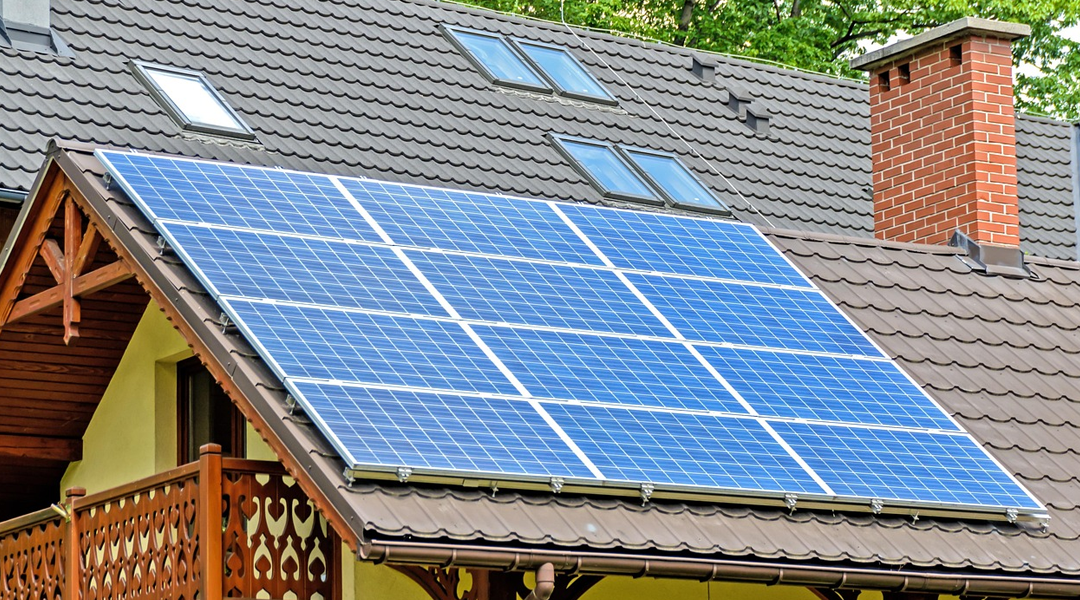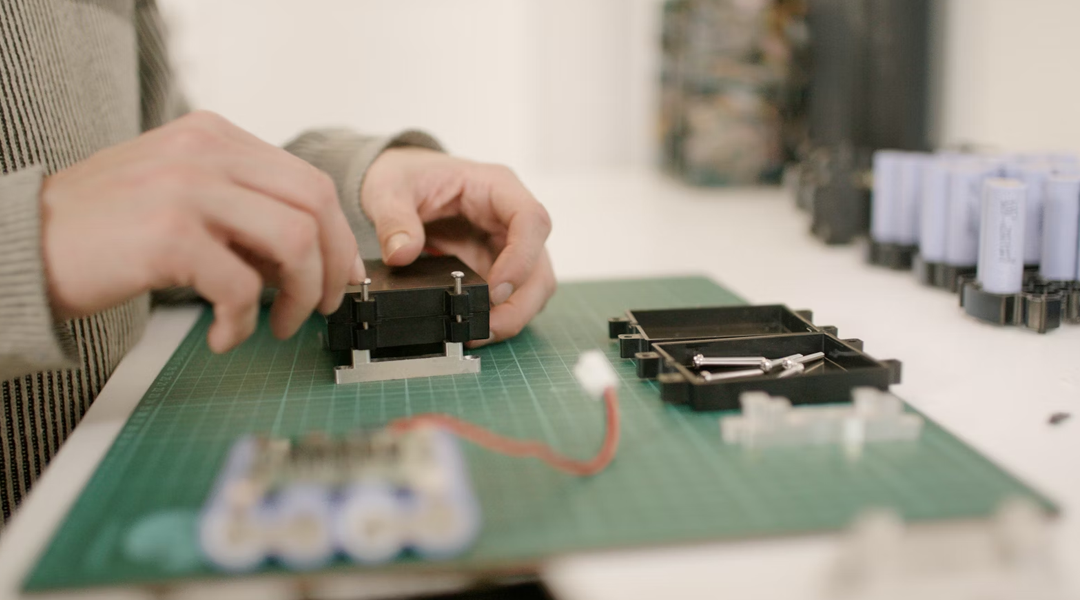

Home-scale battery systems—things like Powerwalls, BYD units, and portable modular kits—have matured beyond consumer gadgets. The same core elements (cells, inverters, BMS, control software) can be scaled and ruggedized to serve commercial buildings, community microgrids, and even data-center-grade backup. This article explains how that scaling happens, the main use cases, technical trade-offs, and practical steps organizations should take when using residential-derived storage at larger scales.
How small systems become large-scale solutions
Modularity is the key. Many modern residential batteries are built from repeatable modules and standard power electronics. By multiplying and industrializing those modules—adding containerized power conversion, enhanced cooling, and industrial control systems—manufacturers assemble larger BESS (Battery Energy Storage Systems) suitable for campuses or front-of-meter uses. Containerized systems combine batteries, PCS (power conversion systems), BMS, EMS (energy management software), and thermal controls into a single deployable unit, speeding installation and simplifying upkeep.
Data centers: supplementing or replacing traditional UPS
Data centers that once relied heavily on diesel generators plus UPS are moving toward large lithium-ion battery arrays that cut generator runtime or replace lead-acid UPS. Properly sized modular BESS deliver near-instant ride-through, strong power quality, and longer backup duration—advantages that matter for latency-sensitive and energy-hungry AI/hyperscale facilities. These systems can also be used during normal operations to provide value back to the operator.
Microgrids and mission-critical sites
Hospitals, military installations, universities, and other critical facilities use PV, gensets, and battery storage to form microgrids that can island during outages. These systems use the same components as residential setups but require more advanced control logic, redundancy, and reliability. Microgrids are typically designed to maintain life-safety and essential loads for extended periods while reducing dependence on noisy, polluting generators.
Aggregation & Virtual Power Plants (VPPs)
Software aggregation is a major way residential storage scales. By coordinating many behind-the-meter batteries, operators can form Virtual Power Plants that behave like a single dispatchable resource for peak shaving, emergency response, or market participation. Utilities and integrators are already running pilots that dispatch aggregated home batteries to reduce peak demand. That same coordination can underpin community resilience by linking homes and shared BESS to island neighborhoods when needed.
Best-fit use cases for residential-heritage systems
- Quick deployments & small sites: Modular, containerized solutions built from residential units reduce lead time.
- Hybrid resilience projects: Combinations of home batteries, community BESS, and coordinated control are effective in storm- and fire-prone regions.
- Edge UPS for latency-sensitive loads: Modular BESS can provide instant ride-through while larger gens come online.
- Pilot programs: Residential-based modules are useful for incremental rollouts before moving to custom front-of-meter builds.

Important technical trade-offs
- Power vs. energy: Data centers often require high power and guaranteed uptime; community resilience focuses on sufficient energy-duration. Systems must be sized to match the real critical loads.
- Thermal management & safety: Large stationary arrays need far more robust cooling, fire suppression, and ventilation than home units.
- Redundancy & maintenance: Commercial deployments require N+1 redundancy, formal maintenance plans, and strong remote-monitoring SLAs.
- Standards & interconnection: Interconnection rules, anti-islanding, and grid-interactive controls differ across use cases—plan certification and permitting early.
Deployment checklist — practical steps
- Clarify service goals: Are you optimizing for backup duration, peak reduction, or VPP revenue?
- Identify critical loads: Prioritize circuits and size energy accordingly.
- Select modular hardware & industrialize: Choose systems that offer rack or container options built from proven residential modules.
- Specify control and integration needs: Ensure the EMS can coordinate PV, gensets, BESS, and site loads, and that cybersecurity and open APIs are addressed.
- Plan safety & operations: Include fire suppression, trained O&M staff, and spare-module strategies.
- Design for aggregation if relevant: If grid value matters, enable VPP participation from day one.
Evidence from real projects
- Aggregation pilots already dispatch residential batteries to reduce peak loads and provide emergency support.
- Microgrids combining solar, gensets, and BESS are in use at hospitals and military sites to secure mission-critical operations.
- Data-center operators are evaluating modular BESS as ways to shrink diesel runtime and reduce emissions.
A flexible, modular foundation
Residential battery technology offers a flexible, modular foundation for larger resilience and commercial energy projects—provided systems are hardened, properly sized, and integrated with industrial controls and safety measures. Whether the objective is keeping a hospital functioning through a storm, reducing campus peak charges, or giving a data center a cleaner alternative to diesel, the path from home-grade tech to critical power depends on modular design, robust controls, and smart aggregation.
All articles for the special edition of home energy storage
(#1) Home Energy Storage 101 : The Foundation of a Smart Energy Future
(#4) From Grid-Tied to Off-Grid: How Home Energy Storage Works with Solar and Smart Homes
(#5) The Economics of Home Energy Storage: ROI, Incentives, and Payback Periods
(#6) Safety and Standards: Building Trust in Home Energy Systems
(#7) The Competitive Landscape of Home Energy Storage: Who Leads Now — and Who’ll Matter by 2030
(#8) Scaling Home Batteries into Critical Power: Data Centers, Microgrids & Emergency Backup
(#10) Future Vision: How Home Energy Storage Will Shape the Next Decade of Smart Living
As for in-depth insight articles about AI tech, please visit our AI Tech Category here.
As for in-depth insight articles about Auto Tech, please visit our Auto Tech Category here.
As for in-depth insight articles about Smart IoT, please visit our Smart IoT Category here.
As for in-depth insight articles about Energy, please visit our Energy Category here.
If you want to save time for high-quality reading, please visit our Editors’ Pick here.