Artificial intelligence is transforming industries and accelerating productivity, but it also adds a new stressor to global energy systems. The relationship between AI growth and energy is paradoxical: AI consumes ever-more electricity while simultaneously offering the best tools we have to use energy far more efficiently. Getting this relationship right is essential if the technology boom is to remain compatible with decarbonization and reliable power systems.
I. The hunger for compute — why AI drives rising electricity demand
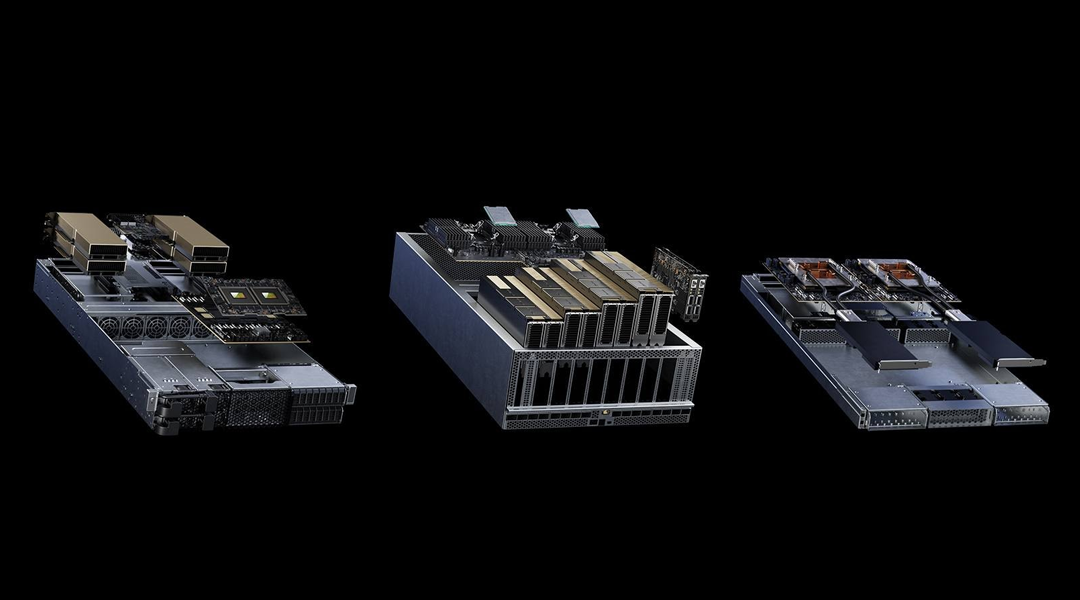
Modern AI — especially large-scale deep learning and generative models — is extremely energy intensive. Energy is burned in two main phases: training (building the model) and inference (running the model in production).
Researchers and industry analysts have repeatedly documented an explosive rise in compute demand. Estimates from major AI labs suggest training workloads have been growing at an exponential rate for years. Training large transformer models can consume on the order of hundreds of thousands to millions of kilowatt-hours — comparable to the annual electricity use of many households. And inference at scale multiplies that cost: if complex models are inserted into billions of real-time requests, data center power needs rise dramatically.
Put another way: unchecked deployment of large models at global scale can meaningfully increase data-center electricity consumption and strain local grids — the same trend several studies warned could rival the annual consumption of entire countries if growth continues unabated.
II. Smart empowerment — how AI reduces energy waste
AI isn’t only a demand driver — it’s one of the most powerful levers for reducing energy waste and improving system flexibility.
- Grid operations: Machine learning improves short-term demand forecasting and optimizes dispatch decisions, reducing reserve needs and minimizing curtailment of renewables.
- Data-center efficiency: AI control systems can tune cooling, throttling and workload placement; prominent examples have cut cooling energy by tens of percent in production settings.
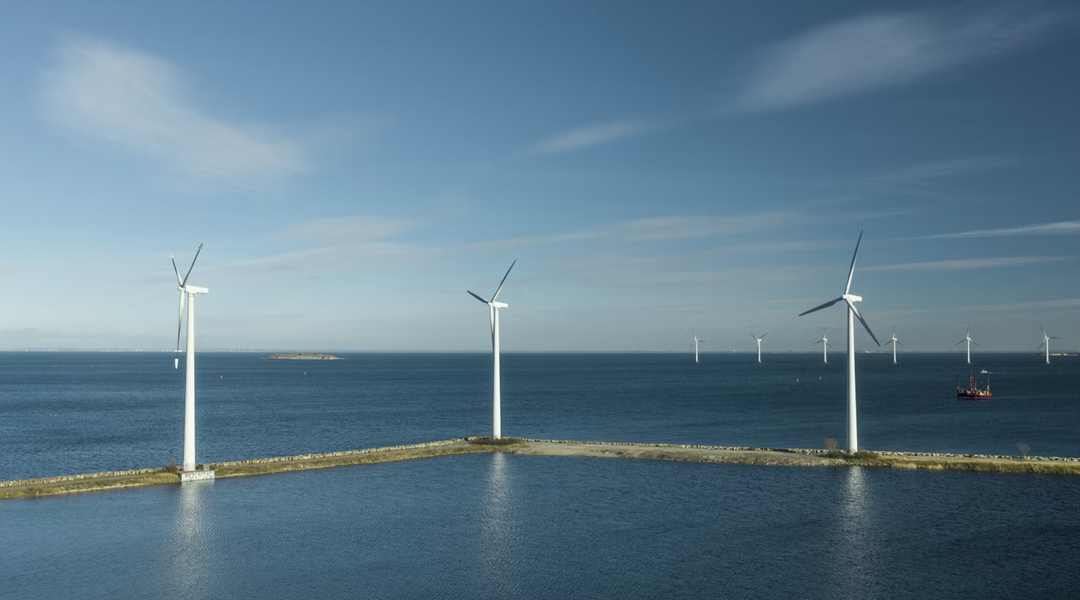
- Renewables integration: Better forecasting of wind and solar resource variability increases effective utilization and reduces the need for spinning backup.
- Industrial optimization: AI-driven process control lowers energy per unit of output across manufacturing and chemical processes.
International energy agencies and large industrial players increasingly treat digitalization and AI as enablers of the clean-energy transition because these technologies unlock flexibility and higher utilization of low-carbon assets.
III. At a crossroads — supply volatility meets fast electrification and digitalization
Today’s energy landscape is shaped by two competing pressures. On one side, geopolitical disruptions and extreme weather make conventional supply more volatile. On the other, electrification — from EVs to heat pumps to ubiquitous data services — is driving demand upward. AI and other digital loads are part of that rising demand profile.
Renewable capacity is growing fast and investment in clean energy has outpaced fossil fuel investment in recent years. But renewables are intermittent, and the grid needs storage, flexible demand, and better forecasting to keep the lights on as traditional baseload changes. The challenge is not just adding capacity; it’s orchestrating a much more complex system in which supply, demand, storage and digital loads all interact.
IV. Complementary technologies that help resolve the energy challenge
AI will not solve the energy transition alone. Other technology advances matter just as much:
- Photovoltaics & materials: Improvements in cell chemistry (e.g., perovskites) and manufacturing are raising efficiencies and lowering costs.
- Energy storage: Advances in lithium-ion design, flow batteries, and long-duration storage options are critical to firming variable renewables.
- Advanced nuclear & fusion research: While still early, next-generation fission designs and experimental fusion work could provide low-carbon, high-capacity options in the long term.
- Power-electronics and microgrids: Smarter inverters, grid controllers, and distributed architectures give operators more tools to balance high penetrations of renewables.
Together, these technologies make a system where AI’s forecasting and control capabilities can be fully realized.
V. Navigating the future — practical strategies to balance AI and energy
The AI–energy relationship is both contradictory and complementary. Turning the contradiction into opportunity requires coordinated action across industry, governments, and research communities. Practical steps include:
- Green compute and energy sourcing. Prioritize low-carbon power for data centers: build renewable supply, use power-purchase agreements, and locate compute where clean electricity is abundant.
- Efficient models and hardware. Invest in energy-aware model design, model compression, and more efficient AI accelerators so inference and training require less energy per useful result.
- Right-sizing deployment. Avoid “compute for compute’s sake.” Match model size and complexity to real user needs; push heavy offline training to times/places where low-carbon power is available.
- Transparency and standards. Develop common metrics for AI energy consumption and require disclosure in model cards and procurement documents so decision-makers can compare energy efficiency.
- Grid-friendly scheduling. Leverage demand response and time-shifting: schedule non-urgent training to low-demand windows, and use AI to coordinate compute loads with renewable production.
- Policy and incentives. Governments should incentivize clean power for hyperscale compute and fund research into low-energy AI methods and adaptive grid architectures.
Leading AI researchers and institute heads have emphasized evaluating AI not just on capability but also on social and environmental cost. That framing needs to move into procurement, engineering curricula, and corporate strategy.
A double-edged sword
AI is a double-edged sword for the energy transition: it amplifies electricity demand but also offers the best tools we have for making grids and industries far more efficient. The outcome won’t be determined by technology alone but by choices — where we site data centers, how we design models and hardware, what standards and disclosures we require, and how tightly we integrate AI with clean power systems. With prudent policy, smarter engineering and coordinated deployment, AI can be an accelerant for a low-carbon, resilient energy future rather than an exacerbating force of the energy crisis.
More articles for the topic
All insights and brand focus articles of AI Tech, please click here
All insights and brand focus articles of Energy, please click here
All articles of the Special Edition of Clean Energy, please click here
All articles of the Special Edition of Data Center, please click here
All articles of the Special Edition of Home Energy Storage, please click here