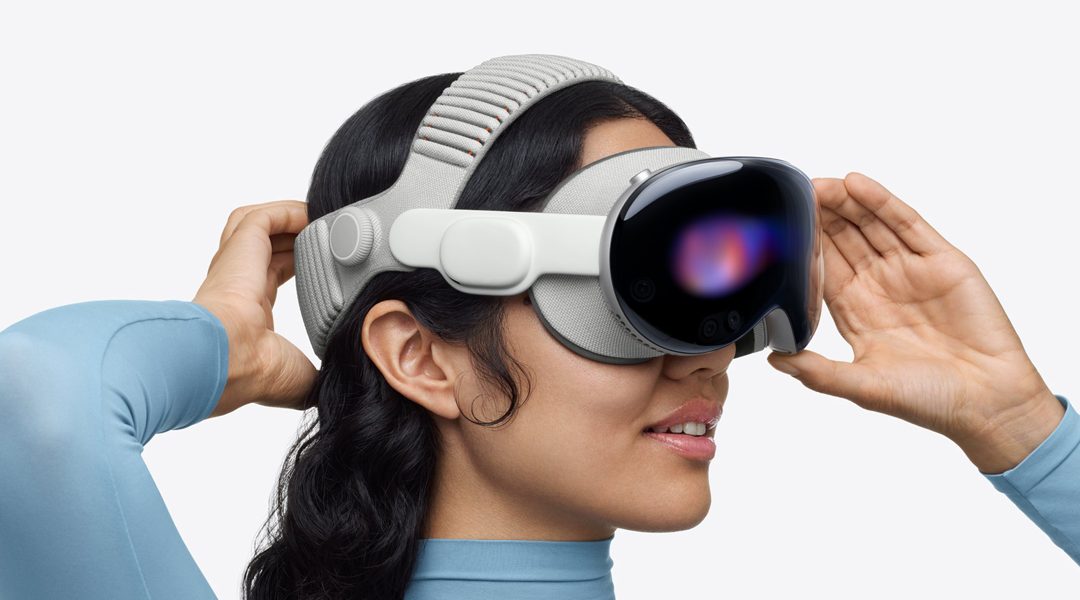
Apple and Samsung are both pushing hard into spatial computing, but they approach the category from different directions. Apple pitches the Vision Pro as a high-precision, tightly integrated spatial computer built for immersive productivity and premium media. Samsung’s Galaxy XR leans into openness and AI-first experiences, emphasizing Google and partner services, immersive content, and broad app support. Below is a concise comparison chart followed by a balanced review to help you decide which headset fits your needs.
Quick comparison chart
| Feature | Apple Vision Pro | Samsung Galaxy XR |
|---|---|---|
| Launch positioning & price | Premium, boutique spatial computer (high-end pricing). | Mainstream XR with a clearly stated starting price (entry point lower than Apple’s positioning). |
| Operating system & ecosystem | visionOS — deep Apple ecosystem integration (Mac continuity, Apple apps). | Android XR — open platform with Google services (Gemini, Maps, Play). |
| Performance emphasis | Apple silicon optimized for visionOS workflows (focus on visuals & apps). | AI-driven features and Google integrations; hardware framed around experiences. |
| Display & visuals | High pixel density per eye; Apple highlights cinematic image quality. | Large virtual screens and 360/3D media; emphasis on immersive scale. |
| Audio | Spatial audio with near-ear speakers; integrates with AirPods and system audio features. | Spatial audio targeted at immersive content and live experiences. |
| Controls | Eye & hand tracking, Digital Crown to blend real and virtual, external controller support. | Hand/eye/voice tracking; XR controllers supported; voice + AI play a big role. |
| Sensors & cameras | Precision eye tracking; optical options for prescriptions; engineered fit and light seal. | Multiple external cameras for world sensing and high-quality passthrough. |
| Battery & runtime | External battery pack (shorter on-device runtime; Apple lists usage ranges). | Runtime not emphasized on main product pages; focus on accessories and use cases. |
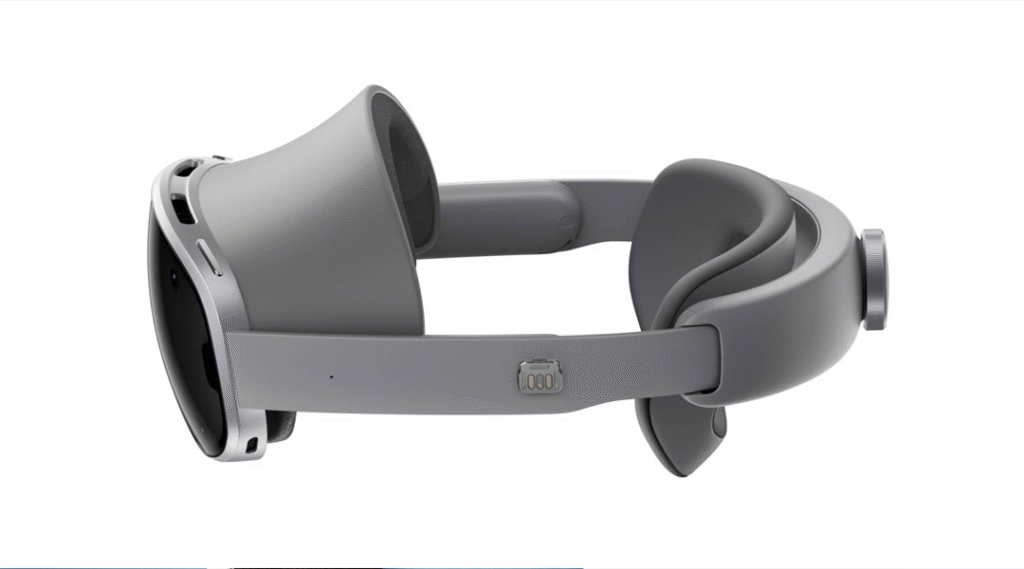
| Comfort & fit | Knit bands, magnetic light seal, fit dials for personalization. | Adjustable bands and rear fit dial; designed to be lightweight and modular. |
| Content & partners | Apple TV+, Apple apps, creative/professional workflows. | Google services, YouTube, Adobe partners, live and 360 content; AI companions. |
What stands out about each headset
Apple’s Vision Pro is a hardware-first, integration-first product. It’s designed to feel like a new class of Apple device — visually dense displays, careful attention to fit and optics (including prescription support), and tight stitching into the Apple ecosystem. The user experience is engineered around precision: eye tracking, refined input methods, and a polished OS that aims to make spatial computing feel natural for productivity and high-fidelity media.
Samsung’s Galaxy XR sells a different promise: wide access and AI-boosted experiences. Samsung emphasizes platform openness (Android XR) and deep Google collaboration, leaning on Gemini and other services to make XR helpful in everyday tasks (Maps, search, AI assistants). Instead of stressing raw per-eye pixel counts, Samsung highlights immersive, large-scale content, lots of sensing cameras for world awareness, and a strong partner network for apps and media.
Who should pick which
Choose Apple Vision Pro if you want: a premium, Apple-native spatial computer that integrates tightly with macOS/iOS workflows, precise optics (including prescription support), and a hardware design focused on comfort and visual fidelity. It’s best for creators, pros who want continuity with their Apple gear, and users who prioritize refinement and privacy.
Choose Samsung Galaxy XR if you want: an XR headset that’s more platform-open, tightly integrated with Google services and AI, and built for broad media/entertainment plus versatile app access. It’s a better fit if you value price transparency, Google/Android compatibility, and AI-driven everyday tools.
Solve different problems
Both headsets are strong entries into spatial computing but solve different problems. Apple double-downs on refinement, integration, and a premium experience; Samsung bets on openness, AI, and content variety. Think about whether you want a polished Apple-centric device or a more AI-forward, platform-flexible XR headset — that choice will steer you to the right device.
More articles for the similar topic:
New Amazon Echo vs. Apple HomePod (2nd Gen) vs. Google Nest Audio: Deep Analyses and Comparison
Will AI-Powered Echo Devices Let Amazon Outrun Apple and Google? Deep Analyses
Apple HomePod Comparison: Fidelity, Features, and Which to Choose
Wrist Wars: Who Will Triumph in the Smartwatch Arena—Apple, Samsung, or Huawei?
As for in-depth insight articles about AI tech, please visit our AI Tech Category here.
As for in-depth insight articles about Auto Tech, please visit our Auto Tech Category here.
As for in-depth insight articles about Smart IoT, please visit our Smart IoT Category here.
As for in-depth insight articles about Energy, please visit our Energy Category here.
If you want to save time for high-quality reading, please visit our Editors’ Pick here.