Smart locks were among the first consumer devices to reach mass adoption in the smart-home era. What began as a novelty—electronic convenience in place of metal keys—has matured into a critical node for physical security and a potential control point for whole-home automation. This report reviews the industry’s evolution, current pain points, strategic crossroads, and practical recommendations for companies competing in this space.
I. Development History — Mechanical to Intelligent, Isolated to Interconnected
The smart-lock market has moved through three clear phases:
1. Electronic beginnings. Early products—combination locks and RFID systems—replaced metal keys with electronic authorization, but offered limited features and no system integration.
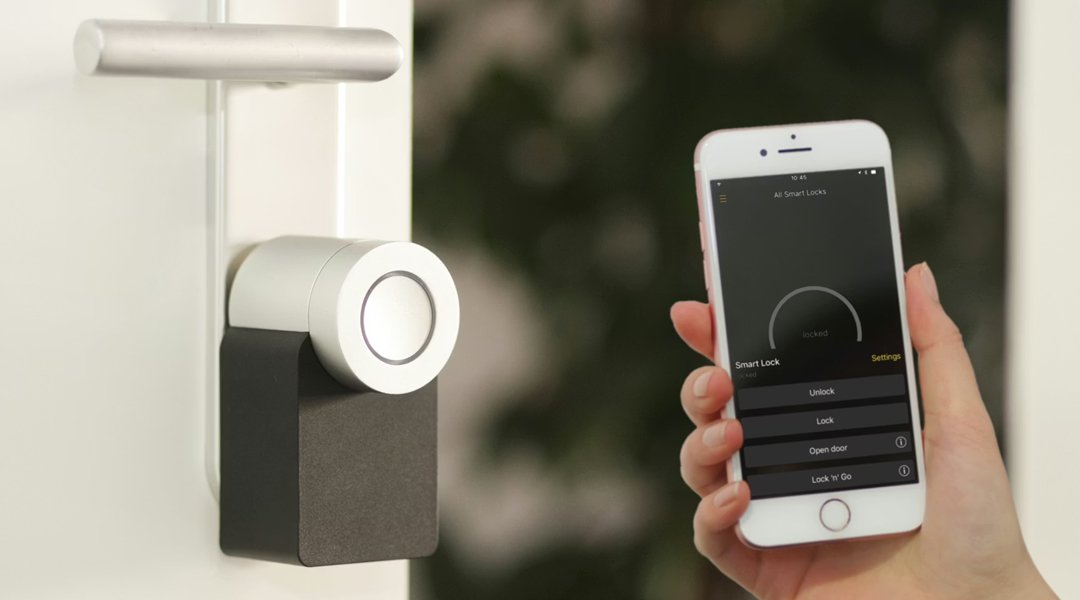
2. Function integration. With Bluetooth, Wi-Fi and Zigbee adoption, locks gained mobile-app control, temporary passcodes and biometric sensors. Remote management and real-time status monitoring became commonplace.
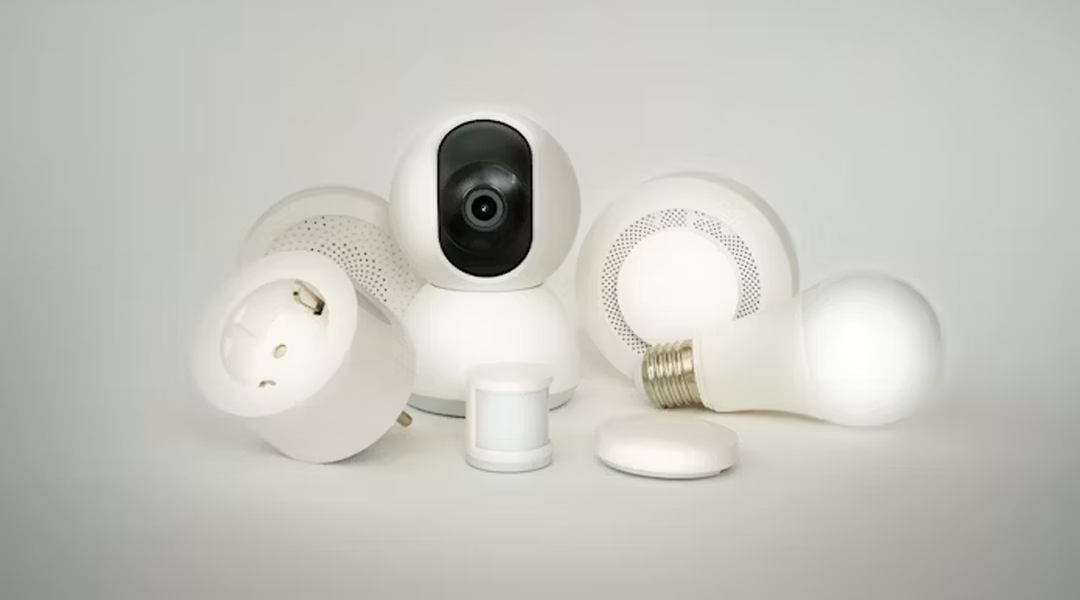
3. Platformization and ecosystem play. Today, smart locks are being integrated as triggers within broader smart-home scenarios—linking with lights, climate controls, cameras and security systems to enable context-aware automation.
II. Current Status & Core Challenges
The global smart-lock market is expanding rapidly—particularly in Asia-Pacific and North America—but growth masks several structural issues.
Market dynamics. Consumer awareness and penetration are rising. Competitors range from legacy lockmakers (e.g., ASSA ABLOY) and electronics giants (Samsung, Haier) to internet-era firms (Xiaomi, Ezviz). This diversity has accelerated innovation but also intensified parity on basic features.
Key challenges:
- The security paradox. Removing physical keys replaces one risk vector with another. As cybersecurity expert Mick Hépé notes, “Connecting a door lock to the internet exposes it to an attack surface traditional locks never faced.” Many low-cost products rely on weak encryption or insecure cloud implementations, turning the home’s front door into a potential vulnerability.
- Experience pain points. Battery anxiety, inconsistent biometric performance with dry or wet fingers, and degraded reliability in extreme climates continue to drag down user satisfaction.
- Feature commoditization. Fingerprint readers, mobile apps and one-time codes are table stakes. That standardization drives price competition and leaves limited room for differentiation.
III. The Strategic Fork: Integrated Hardware or Ecosystem Entry Point?
The industry faces a strategic choice: should the smart lock evolve as a deeper, standalone piece of hardware, or as a platform gateway that orchestrates whole-home scenarios?
Option A — Depth: the lock as fortress.
Proponents focus on making the lock itself the most secure, reliable device in the home. Future products could combine advanced biometrics (facial or vein recognition), built-in cameras, door-bell functions and anomaly-detection sensors. As analyst Josh Wood observes, “Consumers demand that their door locks be absolutely reliable and secure. Any ‘smart’ feature that compromises that is putting the cart before the horse.” This path prioritizes product quality and security depth.
Option B — Breadth: the lock as ecosystem gatekeeper.
Others argue the lock’s strategic value is its high-frequency contact point: the moment you arrive or depart. Using lock-based presence recognition to trigger lighting, HVAC and security settings creates seamless, scenario-based value.
William Abido of Strategy Analytics frames it this way: “The greatest potential of smart locks is serving as a seamless, automated scenario trigger—binding the user experience across the entire ecosystem.” This path emphasizes interoperability and user stickiness.
Short- and long-term view. In the near term, both strategies will coexist. Long term, however, winners will combine both: robust, secure hardware plus open, platform-ready integration. Depth secures user trust; breadth secures user engagement.
IV. Recommendations for Industry Participants
Technical priorities
- Security first. Adopt end-to-end security practices from edge to cloud. Partner with recognized cybersecurity firms and pursue independent certifications (ANSI/BHMA, UL) so security becomes a verified selling point, not just marketing copy.
- Improve experience. Invest in biometric algorithm refinement to reduce false rejects/accepts, optimize for low power draw to extend battery life, and engineer for environmental robustness.
Market & go-to-market
- Embrace open ecosystems. Unless you are an ecosystem giant, pursue interoperability (Matter and major voice/assistant platforms). Openness widens addressable markets and reduces friction for consumers.
- Targeted B2B offerings. Provide turnkey, centralized management solutions for apartments, hotels and commercial offices—segments that value access control, auditing and operational efficiency.
- Consumer education. Use transparent content marketing to demystify security concerns and to convert early adopters into mainstream buyers. Demonstrations, third-party security reports and clear warranty/support promises help reduce buyer friction.
Unique Intersection of Physical Security and Digital Convenience
Smart locks sit at a unique intersection of physical security and digital convenience. Their future will be decided by firms that treat security as foundational engineering, user experience as a core competency, and ecosystem integration as a strategic imperative. In short: build a fortress that plays well with others.
More articles about the topic
Beyond Keys and Codes: Strategies for Winning the Smart Lock Race
Future Vision: How Home Energy Storage Will Shape the Next Decade of Smart Living
Battle of the Hubs: Who Will Dominate the Future Smart Home Market?
Protecting Personal Data: Smart Home Privacy Best Practices
Securing the Smart Home: How to Protect User Data and Privacy in the Age of Connected Living