
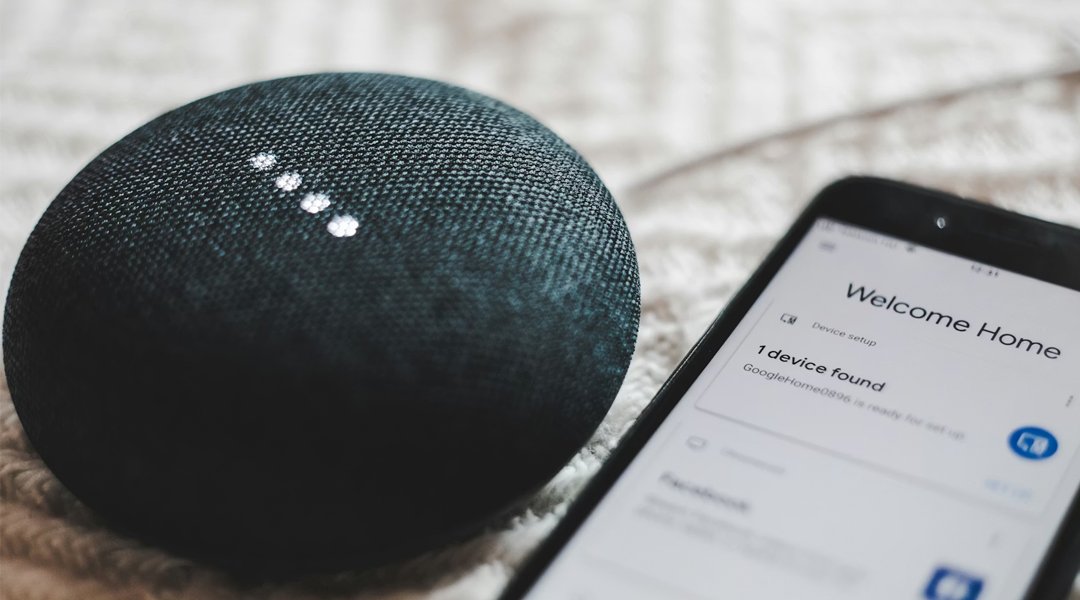
The smart home industry is no longer defined by isolated devices. It is now being shaped by a much more important question: who controls the entry point to the home ecosystem? This entry point is the interface through which people initiate commands, access services, connect devices, and experience the broader value of a connected home.
For years, companies competed mainly on hardware features. But as the market matures, the true source of power is shifting toward the layer that sits between the user and the household environment. That layer may take the form of a voice assistant, a mobile app, a smart speaker, a screen, a home hub, or an AI-driven system that quietly coordinates everything in the background.
This is not just a product competition. It is a strategic contest over user attention, data, platform control, and long-term ecosystem dominance. The company that owns this entry point is not merely selling a device. It is positioning itself as the primary organizer of the digital home experience.
Why the Entry Point Matters More Than Individual Devices
In the early phase of the smart home market, the industry focused heavily on standalone products. Smart lights, smart plugs, cameras, thermostats, speakers, and appliances were promoted as separate innovations. But this fragmented model created a problem: users did not want to manage a dozen apps, platforms, and control systems just to operate their homes.
As a result, the market began to reward the companies that could simplify complexity. The winning platform would not necessarily be the one with the most advanced single device. It would be the one that could make the entire home easier to control, more intuitive to use, and more deeply personalized over time.
That is why the entry point matters. It is the place where convenience becomes loyalty. Once a user becomes accustomed to one platform for controlling music, lights, climate, cameras, and security, switching becomes increasingly difficult. This creates a strong form of ecosystem lock-in, and with it, significant commercial value.
From a business perspective, the entry point also determines who collects usage data, who shapes behavior, and who controls the standards through which other companies must operate. In a connected home, the interface is not just a utility. It is a strategic asset.
The Strategic Layers of Smart Home Control
To understand who may dominate the entry point, it helps to break the market into several layers.
The first layer is hardware access. This includes the devices that users physically see and interact with, such as smart speakers, TVs, phones, tablets, and home displays. These products are important because they establish the visible presence of a platform inside the home.
The second layer is software control. This includes operating systems, apps, and dashboards that allow users to manage their devices. Software is often where loyalty is built, because it determines how smooth or frustrating the overall experience feels.
The third layer is intelligence and automation. As artificial intelligence becomes more capable, the home is moving toward predictive systems that do not simply respond to commands but anticipate needs. This layer may ultimately matter the most because it reduces the need for active user management.
The fourth layer is ecosystem orchestration. This is the ability to connect different brands, protocols, and services into one coherent experience. A company that can coordinate this layer gains influence far beyond the sale of a single product.
The battle for the smart home is therefore not just about who has the best device. It is about who can combine these four layers into a unified and dependable experience.
Platform Owners Have the Strongest Structural Advantage
In most technology transitions, platform owners tend to hold the strongest advantage. They do not just participate in the market; they define its rules. In the smart home context, this means the companies that already control major consumer interfaces begin with a structural head start.
A smartphone ecosystem, for example, is already deeply embedded in daily life. A mobile operating system can serve as the natural command center for the home because it travels with the user and already mediates many other digital services. Likewise, a smart speaker can establish itself as the home’s conversational interface by making control feel effortless and immediate.
The advantage of a platform owner is not limited to convenience. It also includes access to behavioral data, cross-device integration, service bundling, and recurring revenue opportunities. Once the platform becomes central to home life, the company behind it can influence everything from shopping habits to entertainment consumption to household routines.
This is why competition in the smart home sector often looks like a contest between ecosystems rather than individual brands. The winners are not simply those who manufacture devices efficiently. The winners are those who become the default gateway.
Why Simplicity Often Beats Technical Sophistication
One of the most important lessons in consumer technology is that users rarely reward complexity. They reward simplicity that feels intelligent.
In the smart home market, many systems fail not because they lack technical capability, but because they demand too much effort from the user. A feature-rich device that is difficult to set up or inconsistent in daily use will often lose to a simpler system that works reliably across multiple situations.
This is particularly important for the entry point. The interface must feel natural. It must reduce friction rather than create it. A good smart home gateway should allow a user to control the home through voice, touch, automation, and remote access without forcing them to think about technical architecture.
This reality favors companies that can combine design, software, and ecosystem integration into one streamlined experience. It also suggests that future leadership will not come from raw technical superiority alone, but from the ability to make intelligence feel invisible.

The Growing Importance of Trust
If the smart home is becoming a place of continuous data collection and automated decision-making, then trust becomes a decisive factor.
Users are increasingly aware that smart home systems do more than turn devices on and off. They can observe patterns, store preferences, learn routines, and potentially expose intimate details of household life. That creates a serious privacy and security dimension.
A company that wants to dominate the entry point must therefore do more than offer convenience. It must also convince users that their data is being handled responsibly and that the system is secure enough to be part of daily life.
Trust affects adoption in several practical ways. It influences whether a family is comfortable placing cameras in shared spaces, whether voice assistants are allowed in bedrooms or kitchens, and whether the platform is viewed as a helpful tool or a surveillance risk. It also affects whether users are willing to expand their ecosystem over time.
In the long run, trust may be more valuable than feature breadth. A platform that feels safe and dependable will likely retain users more effectively than a platform that offers more functions but raises more concerns.
Interoperability Will Shape the Competitive Outcome
Another key factor is interoperability. Consumers increasingly expect connected devices to work across brands and ecosystems. They do not want a home divided by incompatible standards. They want seamless operation.
This trend presents both an opportunity and a challenge. On one hand, interoperability makes the market more accessible and reduces frustration. On the other hand, it weakens the ability of any one company to fully monopolize the ecosystem.
That means the future may not belong to a single dominant winner. Instead, it may belong to a few powerful platforms that serve as coordination layers across multiple brands. In such a world, the entry point becomes less about exclusive control and more about being the most trusted and convenient orchestrator.
This is a subtle but important shift. It suggests that the smart home market may evolve from closed ecosystems toward a more hybrid structure in which dominant platforms still matter, but device independence grows stronger.
Practical Viewpoint: What Consumers Should Consider
From a practical standpoint, consumers should think carefully before choosing a smart home ecosystem. The decision should not be based only on the cheapest device or the most attractive sales promotion.
A better approach is to consider the long-term ecosystem value. Users should ask whether the platform is likely to remain supported, whether it integrates well with other devices already in the home, and whether it offers enough flexibility to grow over time. A home ecosystem is a long-term infrastructure decision, not a short-term gadget purchase.
Privacy settings also deserve attention. Users should review how data is collected, whether voice recordings are stored, and how automation rules are managed. The more central a platform becomes to the home, the more important it is to understand how much visibility and control the company has.
Consumers should also avoid overcommitting to fragmented device ecosystems that lack strong integration. A connected home should reduce friction, not increase it. The best ecosystem is the one that remains useful years after installation.
Practical Viewpoint: What Businesses Should Learn
For businesses, the lesson is even clearer. Competing in the smart home market requires more than hardware engineering. It requires ecosystem strategy.
Companies that cannot own the primary entry point should focus on compatibility, reliability, and integration. In other words, they should make their products valuable inside the dominant ecosystems rather than trying to fight those ecosystems directly.
Businesses should also recognize that the center of value is shifting from one-time hardware sales toward services, subscriptions, software updates, and data-enabled experiences. In this environment, customer retention matters as much as initial acquisition.
Another important point is that the smart home market rewards partnerships. No single company can build every layer alone. As a result, collaboration with platform providers, standard-setting organizations, and adjacent hardware brands becomes essential.
The Most Likely Future: Invisible Orchestration
Looking ahead, the most important evolution may be the disappearance of the traditional entry point altogether.
In the future, the user may no longer think in terms of “opening an app” or “using a speaker.” Instead, the home may be coordinated by an ambient AI layer that works continuously in the background. It will learn preferences, detect context, and manage the household with minimal direct input.
In that environment, the dominant platform will not necessarily be the loudest or most visible. It will be the one that feels natural, reliable, and quietly effective. The interface will become less important than the intelligence beneath it.
That is the true direction of the market: from control panels to proactive systems, from command-based interaction to predictive orchestration, and from device ownership to ecosystem intelligence.
A Race to Define the Future of Everyday Living
The race to dominate the entry point of the home ecosystem is ultimately a race to define the future of everyday living. The winner will not merely sell connected products. It will shape how people interact with their homes, how they manage their routines, and how much control they are willing to hand over to a digital platform.
The most powerful position in the smart home market is no longer the device on the shelf. It is the layer that connects all devices, understands user behavior, and turns complexity into simplicity. That layer will determine who leads the next phase of connected living.
The ultimate winner will likely be the company that combines reach, trust, intelligence, and interoperability in one seamless experience. And once that happens, the smart home will no longer feel like a collection of gadgets. It will feel like a coordinated environment.
FAQ
What does “entry point to the home ecosystem” mean?
It refers to the main interface through which users control and interact with connected home devices and services. This can be a smart speaker, smartphone app, display, hub, or AI-driven system.
Why is the entry point so important?
Because it determines which company owns the user relationship, collects data, controls device interaction, and influences future purchases and subscriptions.
Will one company dominate the smart home market?
A single company may not fully dominate the market. The more likely outcome is that a few large platforms will compete for control while maintaining compatibility with other ecosystems.
Is voice control still important?
Yes, but voice is only one part of the broader interface. The future of the smart home is likely to include voice, touch, automation, and AI-driven prediction working together.
What matters most when choosing a smart home platform?
Long-term compatibility, privacy, reliability, ecosystem support, and ease of use matter more than short-term promotions or one-device features.
How will AI change the smart home entry point?
AI will reduce the need for constant manual control by anticipating needs, automating routines, and coordinating devices more intelligently across the home.
More Articles for the Topic
Battle of the Hubs: Who Will Dominate the Future Smart Home Market?
Securing the Smart Home: How to Protect User Data and Privacy in the Age of Connected Living
Protecting Personal Data: Smart Home Privacy Best Practices
From Grid-Tied to Off-Grid: How Home Energy Storage Works with Solar and Smart Homes