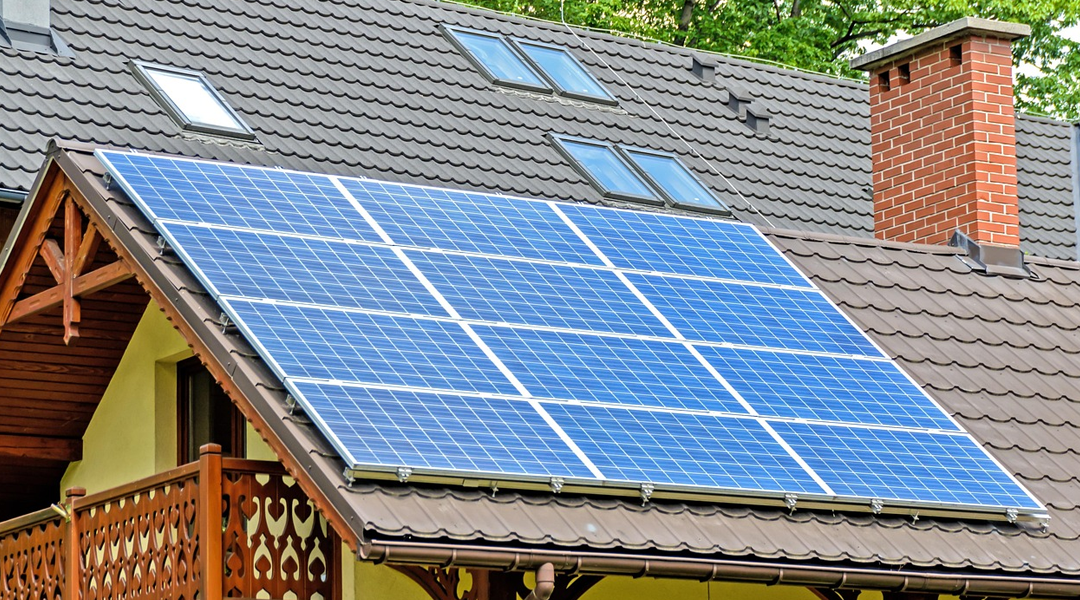

Residential energy storage — the batteries and control systems that go with them — is changing how homes generate, consume, and value electricity. Once primarily used for emergency backup, these systems are increasingly essential for resilient homes, solar integration, and lowering carbon footprints. This overview breaks down what home energy storage is, how it operates, why it matters, and the major trends to watch.
What is home energy storage?
A home energy storage system (HESS) stores electrical power for later use. Typical installations combine a battery bank with an inverter and a battery-management system (BMS). These systems may charge from rooftop solar panels, the utility grid (to take advantage of lower-priced hours), or even an electric vehicle, then discharge to supply household circuits during the evening, grid outages, or peak-rate periods. Systems range from compact portable units to full-house installations measured in kilowatt-hours (kWh).
Key components — the essentials
- Battery modules (cells + packs): the actual energy reservoir.
- Inverter / hybrid inverter: translates DC battery power into the AC used by home appliances and manages charging/discharging.
- Battery Management System (BMS): monitors cell condition, temperature, and state-of-charge to protect the battery and extend life.
- Energy management software: orchestrates when to charge or discharge to maximize savings, resilience, or grid services.
Important battery chemistries to know
Two lithium-ion types dominate today’s residential market: NMC (nickel-manganese-cobalt) and LFP (lithium-iron-phosphate). LFP is gaining popularity for stationary storage because it typically offers a longer lifespan and improved safety (lower risk of thermal runaway). NMC remains common where higher energy density or power-to-weight is needed. Emerging alternatives such as sodium-ion and solid-state batteries are in development but are not yet widespread in homes.
Why both homeowners and utilities are interested
Home storage offers three main benefits:
- Resilience: reliable backup power during outages, which are becoming more frequent with extreme weather.
- Economic advantages: homeowners can shift solar generation to evening use, avoid peak charges, or participate in demand-response programs to lower bills.
- Decarbonization: by storing renewable generation for later use and smoothing demand peaks, storage helps the grid integrate more renewable sources.
Market snapshot — why adoption is accelerating
Residential battery deployments are among the fastest-growing segments in clean energy. Declining battery costs, favorable policies, and rising consumer demand for energy independence are driving installations. Industry forecasts project marked growth in behind-the-meter storage capacity over the coming years.
Practical trade-offs for buyers
- Capacity vs. cost: bigger batteries provide longer backup and more load-shifting but increase upfront expense.
- Chemistry trade-offs: LFP often delivers better lifecycle value because of more cycles and enhanced safety; NMC can provide higher energy density but may degrade sooner.
- Warranty & support: pay attention to warranty terms, expected cycle life, and the availability of local installers and service.
Where the technology is headed
Look for three converging trends: (1) broader adoption of safer chemistries like LFP for stationary systems; (2) smarter BMS combined with AI-driven energy management to extract more value from each installation; and (3) more mature recycling and second-life markets for used batteries. Together these shifts should reduce costs, raise safety, and expand monetization opportunities for homeowners.
Home energy storage is evolving from an optional add-on into a central piece of a modern, resilient, and low-carbon home energy strategy. The next piece in this series will take a closer look at batteries themselves — comparing LFP, NMC, sodium-ion and other chemistries, and outlining the trade-offs that matter when choosing a system.
All articles for the special edition of home energy storage
(#1) Home Energy Storage 101 : The Foundation of a Smart Energy Future
(#4) From Grid-Tied to Off-Grid: How Home Energy Storage Works with Solar and Smart Homes
(#5) The Economics of Home Energy Storage: ROI, Incentives, and Payback Periods
(#6) Safety and Standards: Building Trust in Home Energy Systems
(#7) The Competitive Landscape of Home Energy Storage: Who Leads Now — and Who’ll Matter by 2030
(#8) Scaling Home Batteries into Critical Power: Data Centers, Microgrids & Emergency Backup
(#10) Future Vision: How Home Energy Storage Will Shape the Next Decade of Smart Living
As for in-depth insight articles about AI tech, please visit our AI Tech Category here.
As for in-depth insight articles about Auto Tech, please visit our Auto Tech Category here.
As for in-depth insight articles about Smart IoT, please visit our Smart IoT Category here.
As for in-depth insight articles about Energy, please visit our Energy Category here.
If you want to save time for high-quality reading, please visit our Editors’ Pick here.