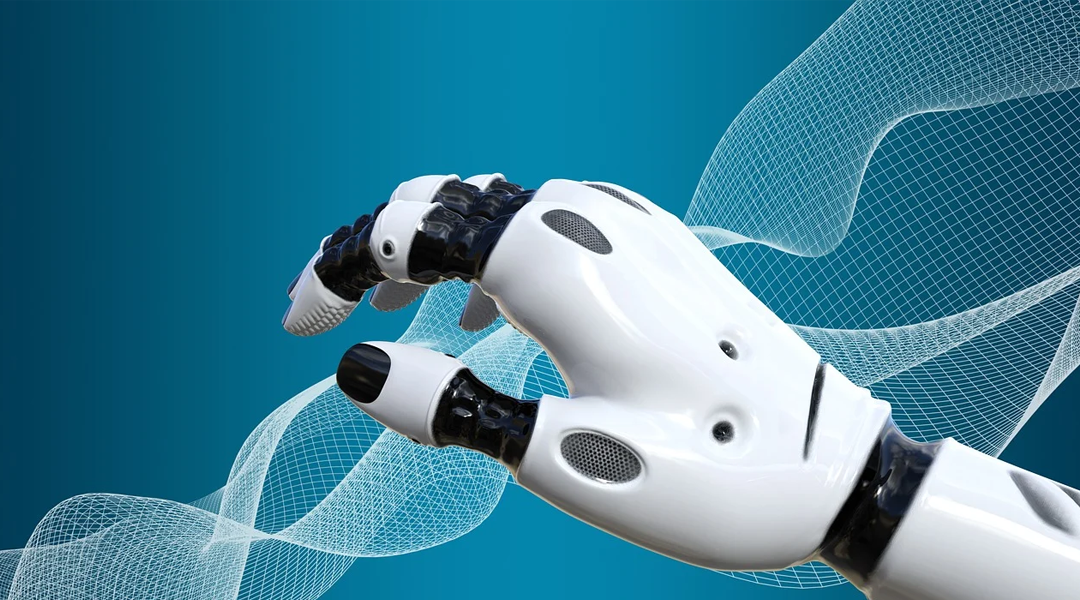
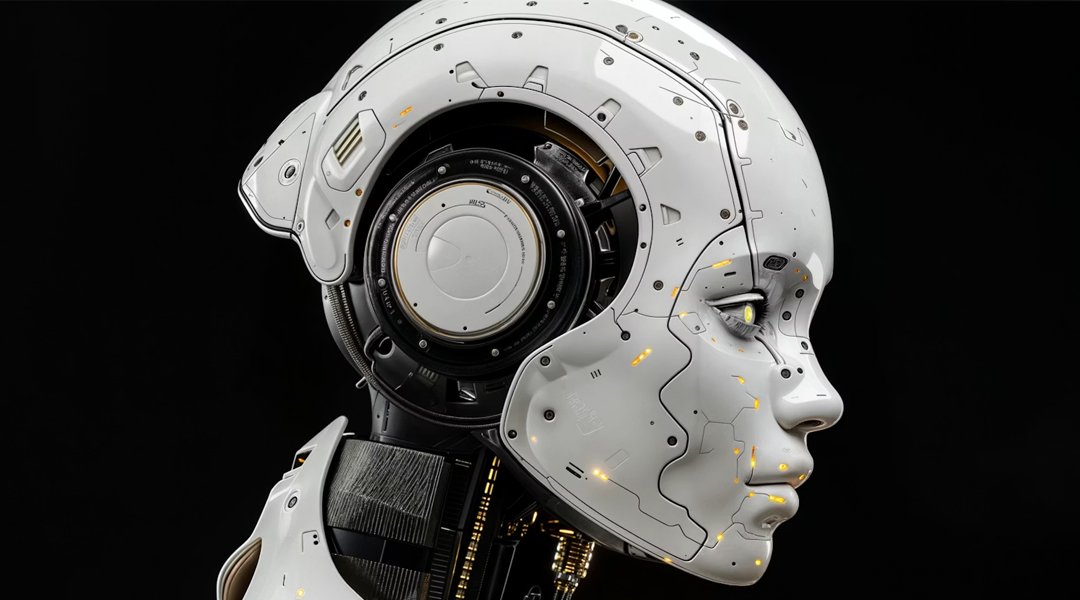
Viral videos of humanoid robots dancing or leaping capture the public imagination, but they⟶re not where commercial success will begin. The decisive factor for robot adoption is not anthropomorphic form or showy motions; it is the reliable, autonomous execution of tasks in real user environments. Commercialization is trending pragmatic and scenario-centric across three dimensions: form, function, and enterprise strategy.
Form: pragmatic designs beat bipedal showmanship
Full bipedal locomotion carries high costs in dynamics, sensing, balance and control — and its real-world robustness in households is still uncertain. Early mainstream robots will more likely combine practical locomotion and manipulators: wheeled platforms with flexible arms, stationary robotic arms, or other non-bipedal arrangements that prioritize stability, affordability, and utility. This “do what’s necessary, not what’s flashy” approach reduces technical risk while delivering useful capabilities such as picking, placing, and simple mobile navigation — the engineering trade-offs that open a market.
Function: specialization before generalization
A single, general-purpose household robot remains aspirational. The first commercial winners will be specialists that dominate a clearly defined scenario. Rather than building an “omnipotent” machine, successful products start with a narrow entry point and deepen capabilities there — for example, autonomous floor cleaning extended with task-specific add-ons like toy pickup or appliance interfacing. Focused solutions maximize user value within constrained operating envelopes and produce reliable, repeatable results instead of broad but shallow demonstrations.
Enterprise: scenario knowledge and data matter more than robotics pedigree
Market leadership is likely to come from companies with domain expertise and extensive scenario data, not necessarily from pure robotics startups. Organizations that have long worked inside a given user context — and thus deeply understand pain points, workflows, and failure modes — can prioritize the right features and avoid investing in redundant or ill-fitting technologies. Examples include established appliance and cleaning companies that leverage years of product-level insight and usage data to guide automation efforts. Scenario familiarity becomes the most practical navigator for where and how to deploy robotic autonomy.
Autonomous task capability is the commercial north star
The commercialization wave is shifting away from a humanoid-centric spectacle to scenario-driven pragmatism. Whether in design choices that favor wheels and arms over legs, in product definitions that favor narrow but deep functionality, or in market entrants grounded in domain expertise and data, the common thread is clear: robots must reliably perform valuable tasks in real settings. When industry attention realigns from form-centric novelty to robust autonomous execution, the path to widespread adoption will become evident — practical, measurable, and ultimately valuable to users.
More Articles for the Topic
Humanoid Robots vs. Industrial Robots : Divergent Architectures, Distinct Industrial-Chain Barriers
The AI Cost Dilemma: Balancing Heavy Tech Investment with Workforce Impacts
Is Software Reshaping and Redefining the Automotive Industry?