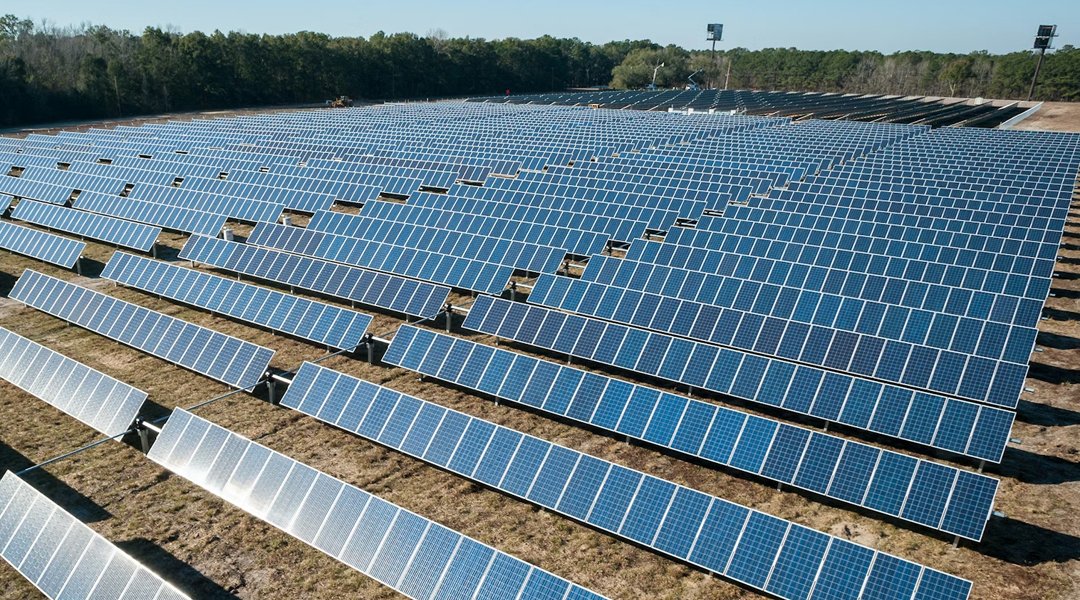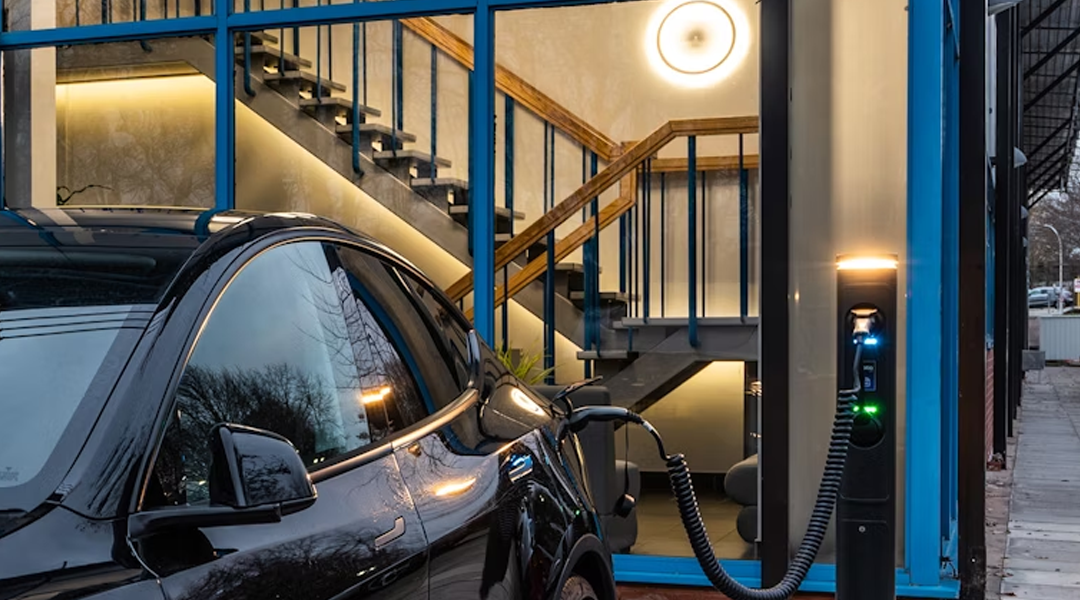
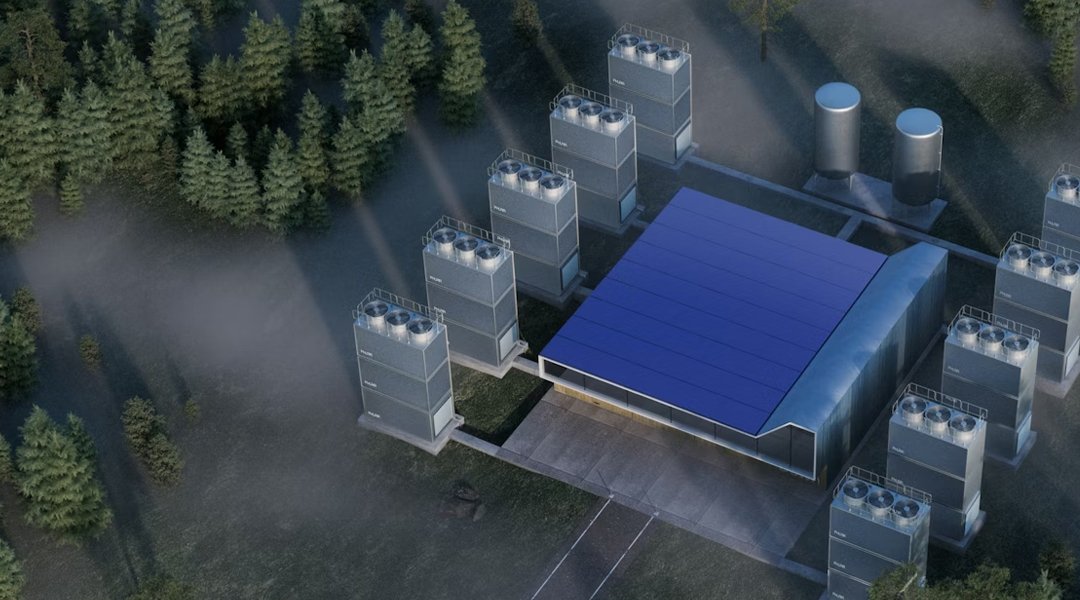
We have built unprecedented solar panels and wind turbines, but all of this could be in vain if a fundamental flaw is not addressed. This flaw is the “missing link” in the energy transition.
In February 2021, an unprecedented cold snap swept through Texas, USA (take referent report here). Wind turbine blades froze, natural gas pipelines cracked, and the power grid collapsed within hours. Millions were plunged into darkness by the frigid temperatures, and tragedy ensued. This crisis was widely discussed, but one key lesson is often overlooked: how vulnerable a malfunctioning power grid is when extreme weather simultaneously disrupts both supply and demand.
Meanwhile, in sunny California, engineers are battling another “ghost”—the duck curve. Every afternoon, as solar power generation surges, the grid’s net load drops sharply, forming the “duck belly”; at sunset, photovoltaic output decreases drastically, while electricity demand peaks, forming the steep “duck neck”. The grid must then mobilize massive amounts of other power sources in a very short time, as if maintaining balance on a cliff edge.
The stories of Texas and California, seemingly disparate, point to the same core contradiction: we are using a 20th-century power grid—a system requiring precise, second-by-second matching of power generation and consumption—to support the intermittent renewable energy of the 21st century. It’s like an engine with only an accelerator and no brakes, speeding down a rugged mountain road.
Core Contradiction: The Dilemma of Energy Production and Consumption
In traditional power systems, fossil fuel power plants are like obedient packhorses, able to be started, stopped, increased, or decreased at will to match fluctuating demand. Wind and solar power, on the other hand, are free-spirited “heavenly horses”—they are free, clean, yet their whereabouts are unpredictable. They shine brightly when the wind blows, and disappear when the wind stops; they are generous with sunlight, and silent at night.
This has created the most fundamental spatiotemporal mismatch in energy history:
Time Mismatch: Peak hours for wind and solar power generation (afternoon) often do not coincide with peak hours for human electricity consumption (morning and evening).
Spatial mismatch: The best wind and solar resources (such as remote wind farms and desert photovoltaics) are often far away from densely populated power consumption centers.
Without energy storage, excess green electricity will either be forcibly cut (“curtailment of wind and solar power”), resulting in enormous waste; or, when supply falls short of demand, we will still have to rely on rapidly up-to-date natural gas power plants or aging coal-fired power plants as “crutches.” This means we cannot truly say goodbye to fossil fuels.
Energy Storage: More Than Just a “Battery,” It’s a Multiple Identity for the Power Grid
The public often simplifies energy storage as a “giant battery,” which greatly underestimates its strategic value. In the future power grid, energy storage will play three crucial roles:
1. Buffer: Smooths minute-level and hour-level fluctuations in solar and wind power output , transferring the “excess sunlight” at midday to evening use, fundamentally taming the “duck curve.” It makes intermittent resources predictable and schedulable.
2. Symphony Conductor: Providing millisecond-level frequency regulation and voltage support. When a large power plant unexpectedly disconnects from the grid, energy storage can respond instantly, like the most agile “dancer” on the grid, preventing cascading failures. Its reaction speed is hundreds of times faster than traditional units. This is the lifeline for the stable operation of future high-proportion renewable energy grids.
3. Ballast and Strategic Reserves: Long-term energy storage (lasting from hours to seasons) can ensure regional power supply for days or even weeks in extreme weather conditions with no wind or light, enhancing energy resilience and mitigating geopolitical risks. It fundamentally redefines energy security.
The starting gun has been fired for this trillion-dollar race.
Market forces and policies have clearly indicated the direction. The EU, in its Energy Storage Strategy, explicitly states that approximately 200 GW of energy storage systems need to be deployed by 2030 to support its renewable energy targets. The US Inflation Reduction Act provides the most generous tax credit in history for independent energy storage projects, igniting an investment boom.
Bloomberg New Energy Finance predicts that by 2030, the global energy storage market will see more than ten times the annual installed capacity of 2022, with cumulative investment exceeding one trillion US dollars. This will no longer be a niche market, but a core pillar industry for building new power systems.
This silent revolution is taking place around the world: From Tesla’s Moslandin battery pack, one of the world’s largest, deployed in California, to the giant gravity energy storage system built in Finland using abandoned mines; from vanadium redox batteries providing stable power to small towns in the UK, to home energy storage walls that combine rooftop photovoltaics with thousands of homes in Germany.
Energy storage is the key to turning the clean energy revolution from an ideal into reality . It connects production and consumption, balances fluctuations and stability, and integrates the past and the future.
In the following series, we will delve into the inner workings of this “invisible engine.” We will take you on a journey through the zoo of energy storage technologies, from lithium-ion batteries to hydrogen energy, from physical gravity to molecular chemistry; analyze how electric vehicle batteries **dual-enable** transportation and the power grid; dissect the “holy grail” battle for long-term energy storage and determine who will emerge victorious; and reveal how virtual power plants can turn millions of homes into power stations in the cloud.
Our first stop: Let’s get to know all the residents of this “zoo.” Next article: “Beyond Lithium Batteries: A Panoramic Guide to the Energy Storage ‘Zoo'”—We will reveal why the future power grid needs far more than just one type of battery.
*(This is the first article in a series on “Energy Storage Transformation,” aiming to build core understanding. Subsequent articles will delve into the technical, economic, and policy details.)
More articles for the topic
All articles of the Special Edition of Clean Energy
Which Clean Energy Source Reigns Supreme for Sustainable Development?
How AI Technologies Are Powering the Future of Clean Energy
How Clean Energy Is Transforming Our Daily Lives for the Better
Is Solar Energy the Only Key to Energy Freedom?
How Traditional, Clean, and Renewable Energy Together Form a Strong and Sustainable Energy System