If Apple Had Stayed in the Car Business: A Deep Analysis of How It Could Have Reshaped Mobility, Software, and Consumer Technology
Meta Description: An in-depth analysis of how Apple remaining in the car business could have changed mobility, software, AI, and the future of connected transportation.
If Apple Had Stayed in the Car Business, the Entire Mobility Market Might Have Changed Faster
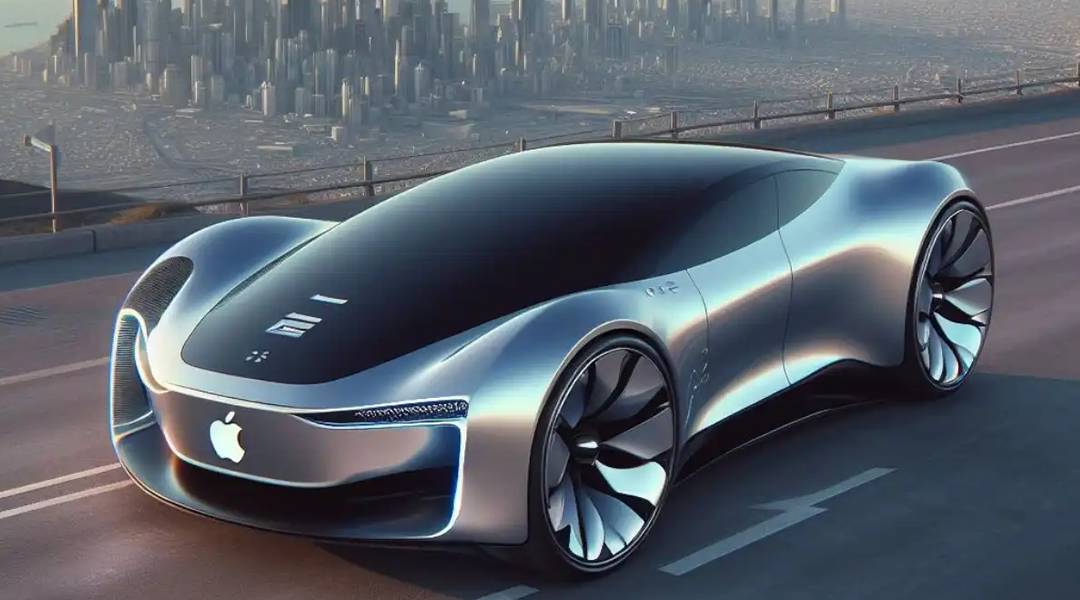
Apple’s automotive effort was never just a side project. Even before the company stepped away from the program, the idea of an Apple-built car had already influenced how the market thought about electric vehicles, digital cockpit design, connected services, and the next phase of transportation. The real significance of Apple’s car ambition was not whether it could build a vehicle that looked premium or performed well on the road. The deeper question was whether Apple could have turned the car into the next great consumer technology platform.
That is why this hypothetical still matters.
If Apple had stayed in the car business, the outcome would probably have gone far beyond one more electric vehicle competing for market share. It would likely have affected how automakers design software, how consumers expect mobility to work, how suppliers structure their roadmaps, and how the boundary between personal electronics and transportation continues to dissolve. In other words, Apple’s presence in the industry could have changed the architecture of the market itself.
At RulerHub, our view is that Apple’s greatest potential in the car business was not hardware manufacturing. It was system design. Apple is strongest when it takes a product category that is fragmented, inconsistent, and often user-unfriendly, then reorganizes it around a cleaner, more controlled ecosystem. A car, from that perspective, was not merely a vehicle. It was an interface, a data environment, a connected service layer, and a mobile extension of the digital life Apple already dominated.
That is what makes the scenario so powerful. The question is not whether Apple could have built a car. The question is what kind of transportation future might have emerged if Apple had insisted on staying long enough to reshape the category.
Apple Would Have Pushed the Car Toward a Software-First Identity
The automotive industry is still transitioning from mechanical product logic to software-defined product logic. Many carmakers now understand that the value of a vehicle is no longer limited to horsepower, chassis engineering, or interior styling. Increasingly, long-term value comes from operating systems, digital subscriptions, over-the-air updates, driver assistance, and in-cabin intelligence.
If Apple had stayed in the market, that transition would likely have accelerated.
Apple’s historical pattern is consistent: it enters a mature market, simplifies the user experience, and then makes software the center of gravity. That happened with the smartphone, the tablet, the smartwatch, and wireless audio. A car would have followed the same logic. The result would have been a vehicle built around software identity rather than automotive legacy.
That shift would have had major consequences. Traditional automakers often treat software as an added layer on top of the car. Apple would likely have treated software as the car’s defining structure. That difference matters because it changes everything from interface design to upgrade cycles to customer loyalty. Instead of selling a one-time machine, Apple would likely have sold a continuously evolving computing platform on wheels.
A software-first Apple vehicle could have influenced the entire industry in at least three ways. First, it would have pressured rivals to improve interface quality at a faster pace. Second, it would have accelerated the move toward recurring revenue through software services. Third, it would have changed consumer expectations so that a car would be judged not just by how it drives, but by how intelligently it behaves over time.
That would have been a profound shift. In many ways, it would have turned the automotive market into a race to build the best living digital environment, not just the best machine.
The Real Disruption Would Have Been in the Cabin, Not the Garage
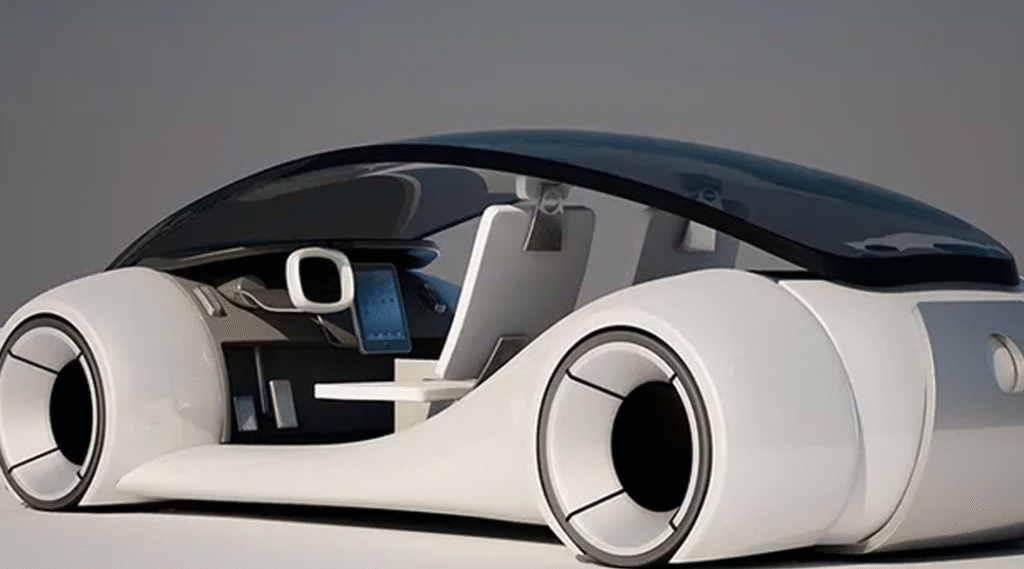
A common mistake in discussing a hypothetical Apple Car is focusing too heavily on the exterior product. But Apple’s strongest competitive advantage would likely have emerged inside the cabin, where user experience, interface continuity, and digital personalization matter most.
Apple does not need to invent the most radical industrial design to dominate an experience category. It needs to make the interface feel inevitable. Inside a car, that could have meant a radically simplified interaction model built around natural input, personal device continuity, and intelligent automation.
The cabin of an Apple-controlled vehicle would probably have been far more than a dashboard with a large screen. It would have functioned as a synchronized extension of the user’s digital environment. That means the car would know the user’s preferences, respond to contextual cues, connect with the phone, the watch, the home, and other Apple services, and potentially personalize everything from route suggestions to climate settings to media behavior.
This is where Apple’s advantage would have become extremely difficult for rivals to match. Many automakers can build a nice seat, a large display, or a voice assistant. Far fewer can create a coherent digital layer that feels seamless across every device in a consumer’s life.
At RulerHub, we believe this cabin-centric strategy would have been Apple’s most dangerous weapon. The company likely would not have tried to win on raw performance claims. It would have won by making the vehicle feel like the most intelligent room a person enters during the day.
That would have changed the center of gravity of the industry. Once the cabin becomes the core product, every automaker is forced to think differently about user experience, personalization, and digital continuity.
Apple Could Have Accelerated the Rise of the Ecosystem Car
The modern car is increasingly becoming an ecosystem product. It connects to the cloud, to mobile devices, to maps, to entertainment platforms, to home systems, and to digital identity layers. If Apple had stayed in the business, it likely would have pushed this trend much further.
The Apple ecosystem has always been one of the company’s strongest strategic assets. It is not just about owning multiple products. It is about making those products behave like one integrated system. Applied to the automotive world, that approach could have turned the car into another node in a much larger network of personal technology.
That would have changed consumer behavior in subtle but important ways. A person might not choose an Apple Car simply because of performance or range. They might choose it because it fits their digital life better than anything else available. The value proposition would move from transportation alone to transportation plus ecosystem lock-in plus service continuity.
This would also have changed how automakers compete. Instead of competing only on vehicle attributes, they would have been forced to compete on digital ecosystem depth. That means the industry would likely have become more modular, more connected, and more dependent on strategic partnerships with software, chip, cloud, and AI companies.
From RulerHub’s perspective, this is one of the most important implications of the Apple hypothetical. If Apple had stayed, the car may have become a central battlefield in the broader ecosystem war between technology platforms. That battle is already happening, but Apple’s participation would likely have made it more intense, more consumer-facing, and more difficult for legacy automakers to avoid.
The Pressure on Legacy Automakers Would Have Been Immediate
A full Apple commitment to vehicles would not merely have introduced another competitor. It would have changed the emotional and strategic pressure on the rest of the industry.
Traditional automakers are often built around engineering excellence, manufacturing scale, dealer networks, and long development cycles. Apple would have disrupted that logic by bringing a consumer-tech mindset into a sector that has long moved at a different pace. The result would likely have been a sharper divide between legacy industry structure and next-generation digital expectations.
Automakers would have been forced to respond in several ways. They would have needed to improve software speed and reliability. They would have had to rethink their in-car operating systems. They would have faced stronger pressure to deliver better OTA updates, more consistent user experiences, and tighter integration with phones and cloud services. They would also have needed to elevate design language, because Apple’s presence would have reset premium expectations.
This matters because Apple changes reference points. When Apple enters a market, the standard of “good enough” tends to rise. A product that once seemed advanced may suddenly appear dated. That effect would have been especially strong in the automotive sector, where many consumers still accept clunky software or inconsistent connectivity as normal.
Had Apple stayed, that tolerance would likely have declined much faster.
At RulerHub, we believe the biggest effect on automakers would not have been direct market share loss at first. It would have been strategic acceleration. Even companies that never sold a single car against Apple would have felt compelled to redesign their products more aggressively because Apple would have reset the benchmark for what a premium digital vehicle should feel like.
Apple’s Stay in the Market Could Have Changed the Economics of Automotive Services
One of the most transformative but less visible aspects of a hypothetical Apple car lies in revenue design. Apple has long shown that the real power of hardware is often unlocked by services. The iPhone is not just a device. It is a platform for subscriptions, app ecosystems, media, cloud storage, payments, and identity services.
If Apple had remained in the car business, the company would almost certainly have approached the vehicle as a services platform. That would have shifted industry economics in major ways.
Instead of relying mainly on one-time vehicle sales, Apple could have layered recurring revenues on top of the car through digital subscriptions, premium assistance features, entertainment services, personalized computing, and ecosystem upgrades. This would have made the car not just a product, but an ongoing commercial relationship.
That model would have been powerful for Apple because it aligns with the company’s larger business logic. But it would also have been powerful for the market because it would have normalized the idea that mobility should be monetized as a service environment, not just a capital asset.
This shift would have forced other automakers to take subscription strategy much more seriously. Many already are, but Apple’s presence would have made the stakes higher. The vehicle would increasingly become a lifetime revenue interface rather than a single purchase event.
The broader consequence is that car ownership itself would have been reframed. Consumers would start to see vehicles less as finished goods and more as software-connected service environments with evolving value. That is a major conceptual transformation, and Apple could have accelerated it.
The AI Layer Would Have Been Critical
If Apple had stayed in the car business, artificial intelligence would have become central to the entire strategy. Not as a feature, but as the operating logic of the vehicle.
This is perhaps the most important future-facing implication.
A car in the Apple ecosystem would likely have been designed to learn the driver, anticipate routines, optimize comfort, manage information flow, and create a personal mobility experience that feels increasingly invisible. AI would not simply answer questions. It would coordinate behavior.
In practical terms, that could have meant predictive route selection, smart cabin adjustments, behavior-aware infotainment, voice interactions that are far more natural than current systems, and a digital assistant that understands context rather than just commands. Over time, that kind of intelligence could have redefined what users expect from every vehicle, not just Apple’s.
At RulerHub, our view is that the Apple car, had it continued, would have been less about autonomous driving as a headline and more about intelligent mobility as a lived experience. Full self-driving remains difficult for the entire industry. But AI-assisted transportation, where software quietly reduces friction across the journey, is a much more realistic and more commercially valuable objective.
That distinction matters because it suggests Apple might not have needed to “solve autonomy” in the narrow sense to reshape mobility. It only needed to make the vehicle feel meaningfully smarter, more adaptive, and more human-centered than everything else on the road.
The Supply Chain Impact Would Have Reached Well Beyond Cars
An Apple car would also have created ripple effects throughout the global supply chain.
Apple is known for exerting strong influence over component design, material standards, manufacturing processes, and supplier capabilities. If the company had remained in automotive manufacturing, it would likely have pushed suppliers toward higher levels of integration between consumer electronics, battery systems, sensor technology, and AI hardware.
That would have had consequences for semiconductors, displays, batteries, camera systems, and advanced materials. In other words, the supply chain would not simply have served a new car company. It would have adapted to a new technological philosophy.
This is especially important in a world where vehicles are becoming more chip-intensive and software-heavy. Apple could have helped accelerate the convergence between automotive hardware and consumer electronics manufacturing. That would have created efficiencies in some areas and competitive pressure in others.
The likely result would have been a more tightly connected industrial ecosystem, where innovation in mobile devices and innovation in vehicles reinforced each other. That is a powerful structural shift, and it is one of the reasons Apple’s presence in the car sector would have mattered far beyond consumer branding.
Why Apple Probably Stepped Away Anyway
The fact that Apple did not stay in the car business is also instructive. It reminds us that not every company, even one as powerful as Apple, can easily reshape every industry it enters.
Automotive is brutally complex. It combines long development cycles, high capital intensity, safety risk, regulatory pressure, supply chain fragility, and narrower profit margins than the consumer electronics world. These are not minor challenges. They are structural constraints.
Apple is at its best when it controls the stack. Cars make full stack control much harder. Even if Apple had produced a compelling vehicle, it would still have faced the operational burden of manufacturing scale, quality control, servicing, regulation, and market timing. That may have made the business far less attractive than the elegant concept suggested.
Still, the strategic value of the automotive experiment should not be underestimated. Apple may have stepped away from the direct car business, but the ideas it explored are likely to echo across the next decade of mobility innovation.
The Most Important Question Is Not What Apple Built, but What It Would Have Forced Others to Become
If Apple had stayed in the car business, the automotive and technology sectors would probably have moved faster toward software-defined mobility, AI-native cabins, ecosystem-based ownership, and recurring service revenue. The company may not have transformed transportation alone, but it could have accelerated the transformation that is already underway.
That is the core RulerHub viewpoint: Apple’s real influence in the car business would not have been measured only by sales, range, or vehicle specs. It would have been measured by how forcefully it changed the rules of the category.
The car would have become less mechanical, more digital. Less isolated, more integrated. Less a finished object, more a living platform.
Even without a finished Apple vehicle, that idea continues to shape the future. If Apple had stayed, the shift might have happened sooner and with greater force. That possibility is what makes this scenario worth examining seriously.
FAQ
What would have made an Apple car different from other EVs?
An Apple car would likely have prioritized ecosystem integration, interface simplicity, AI-driven personalization, and software continuity over traditional automotive identity.
Would Apple have competed directly with Tesla?
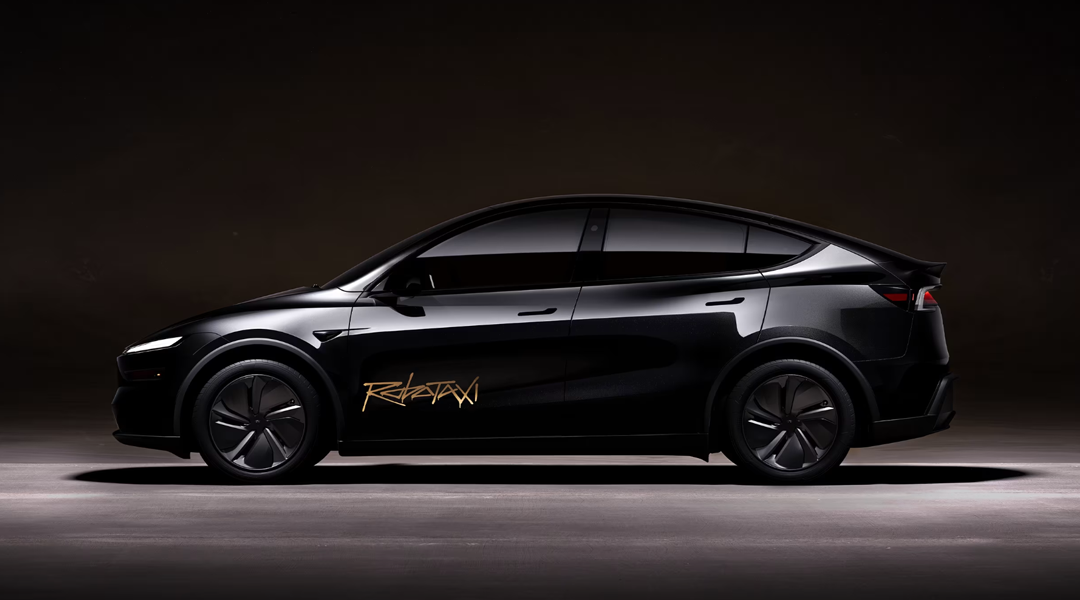
Yes, but not only on vehicle performance. Apple’s stronger competition would likely have been in digital experience, services, and ecosystem lock-in.
Could Apple have changed the automotive industry even without dominating sales?
Absolutely. Apple often influences markets by changing expectations. Even limited success could have forced automakers to redesign software, user experience, and connected services faster.
Why is this analysis important now?
Because the convergence between cars, software, and AI is still unfolding. Apple’s hypothetical role helps reveal where the industry is headed and which companies are likely to shape it.
What is the biggest lesson from Apple’s possible car strategy?
The biggest lesson is that the future of mobility is increasingly about platforms, not just products. The winners will be the companies that control the digital experience around the vehicle.
More articles for the Topic:
Wrist Wars: Who Will Triumph in the Smartwatch Arena—Apple, Samsung, or Huawei?
AR, AI, and VR Glasses: Who Will Be the Winner of the Next Computing Frontier
The Next Charge: How EV Battery Technologies Are Evolving for Range, Speed, and Sustainability
As for in-depth insight articles about AI tech, please visit our AI Tech Category here.
As for in-depth insight articles about Auto Tech, please visit our Auto Tech Category here.
As for in-depth insight articles about Smart IoT, please visit our Smart IoT Category here.
As for in-depth insight articles about Energy, please visit our Energy Category here.
If you want to save time for high-quality reading, please visit our Editors’ Pick here.