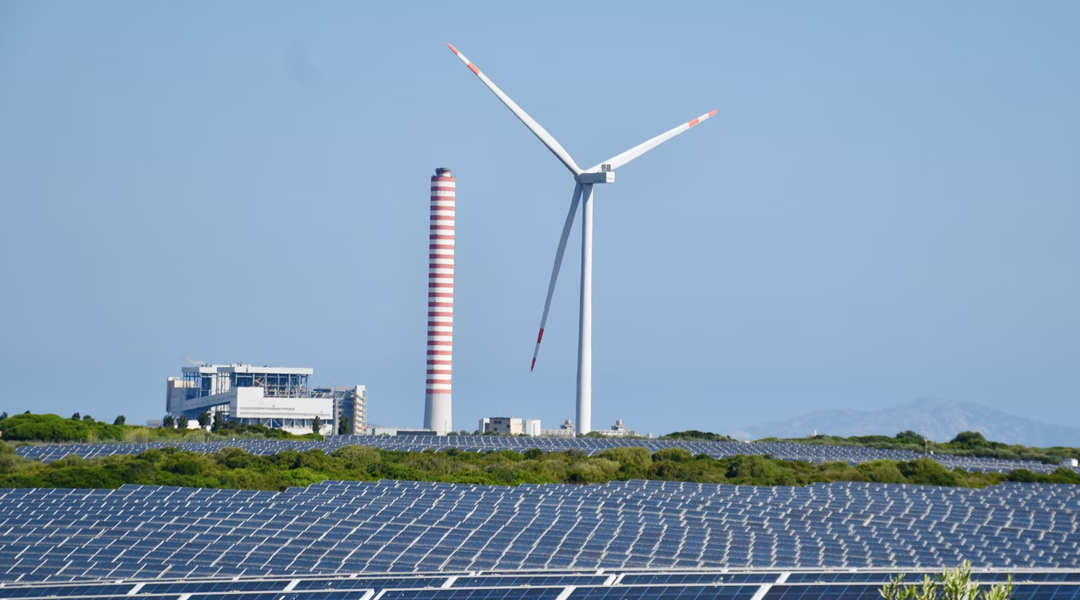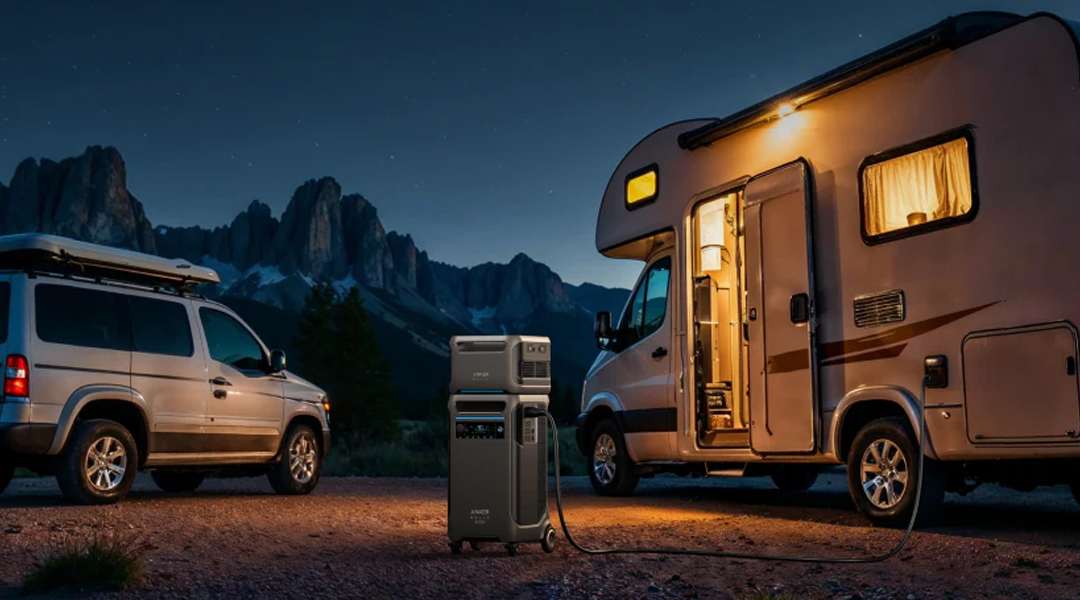
The clean energy transition is often told through the technologies people can see: solar panels on rooftops, wind turbines across open land, and electric vehicles reshaping mobility. These visible symbols matter, but they do not tell the whole story. Beneath them sits the infrastructure that determines whether the transition can actually work at scale. That infrastructure is energy storage.
At RulerHub, we see storage not as a supporting feature but as the hidden foundation of the clean energy revolution. Without storage, renewable power remains limited by timing, weather, and grid constraints. With storage, clean energy becomes far more than an environmental ideal. It becomes a dependable, scalable part of modern power systems.
This is why storage deserves to be understood as the invisible engine of the energy transition. It may not generate the most headlines, but it decides whether the future energy system is stable, flexible, and truly usable.
Why generation alone cannot solve the energy transition
The biggest challenge facing renewable energy is not performance. It is variability. Solar output changes with sunlight. Wind output depends on conditions that cannot be scheduled. Yet electricity systems must balance supply and demand every second.
That mismatch creates a fundamental problem. A power grid was traditionally built around sources that could be dispatched when needed. Renewables do not work that way. They generate when nature allows, not always when demand is highest. Without a way to store excess energy and use it later, renewable systems remain constrained by time.
Storage solves this by connecting moments of abundance with moments of need. It captures power when production is high and releases it when demand rises or generation falls. In doing so, it turns intermittent supply into something closer to dependable capacity.
From a RulerHub perspective, this is the key point many energy discussions miss. The real challenge is not simply adding more solar or wind. The real challenge is building a system that can absorb, shift, and manage that energy intelligently. Storage is what makes that possible.
Storage is the system’s stability layer
Reliability is one of the most important and least glamorous parts of the clean energy transition. A low-carbon grid is not successful because it is cleaner alone. It must also be stable, resilient, and affordable.
Storage contributes to that stability in several ways. It can smooth short-term fluctuations, support frequency control, help reduce demand spikes, and provide backup power during disruptions. It can also make distributed energy systems more practical by giving local generation a way to remain useful after the sun sets or the wind drops.
As grids become more decentralized, the need for flexibility grows. Rooftop solar, home batteries, electric vehicles, and community microgrids all create new complexity. Storage gives these assets a way to work together instead of operating as isolated pieces of equipment.
This is why storage is more than a reserve resource. It is an operational layer that helps the grid behave intelligently. In many ways, it is the quiet stabilizer that makes modern energy systems possible.
The economics of storage are changing fast
Storage is also becoming more important because its economic role is expanding. In the past, it was often seen as an expensive add-on. Today, it is increasingly viewed as a value-generating asset.
One major reason is curtailment. When renewable generation exceeds immediate demand, some of that electricity can be wasted if it cannot be stored. Storage reduces that loss by preserving energy for later use. It also allows operators to shift electricity into higher-value time periods, improving the financial performance of renewable projects.
This creates a powerful economic logic. Storage can support multiple revenue streams at once, including peak shaving, demand management, backup supply, grid balancing, and market arbitrage. That ability to stack value makes storage more attractive not just technically, but commercially.
At the broader system level, storage can also reduce infrastructure pressure. It may delay expensive grid upgrades, lower peak electricity prices, and improve the use of existing renewable assets. That means storage is not simply a cost attached to the transition. It is one of the tools that can make the transition more efficient.
At RulerHub, we believe this economic shift matters as much as the technological one. Storage is moving from a supporting expense to a strategic asset, and that change will shape the next phase of the energy market.
The future of storage will not belong to one technology alone
Public discussion often treats energy storage as if it were only about lithium-ion batteries. While batteries are important and highly scalable, they are only one part of the broader picture.
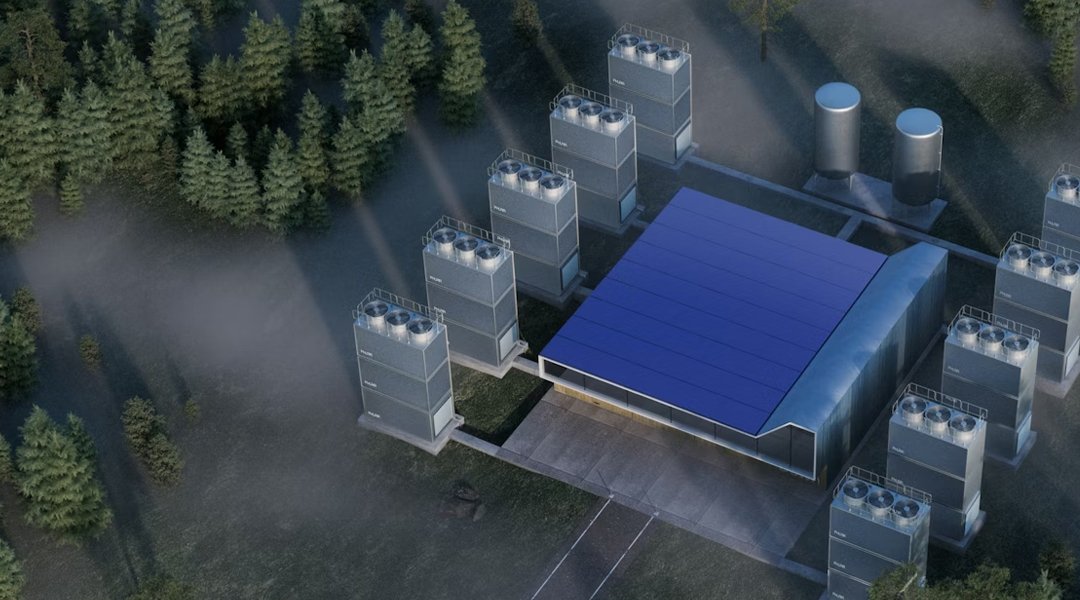
The energy transition will need a portfolio of storage technologies. Some systems must respond within seconds or hours, where batteries are strong. Others must support longer gaps, such as multi-day weather events or seasonal imbalances, where different solutions may be better suited. Pumped hydro, thermal systems, compressed air, hydrogen storage, and emerging mechanical approaches all have roles to play.
This matters because energy systems are not all trying to solve the same problem. A city grid, an industrial site, a remote microgrid, and a national transmission system each have different storage needs. The future will depend on matching the right technology to the right use case rather than expecting one solution to do everything.
The strategic lesson is clear. The clean energy future will not be built on a single battery chemistry or one universal storage model. It will be built on a layered storage ecosystem designed to serve multiple time horizons and multiple market needs.
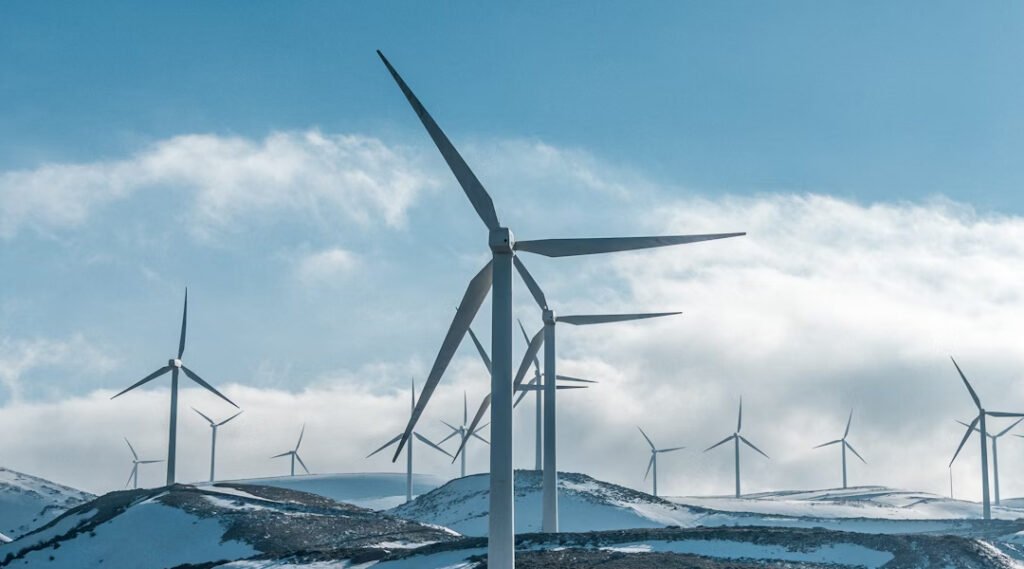
Software is becoming part of the storage story
Another major shift is that storage is no longer only about physical equipment. Software is now central to its value.
A battery without intelligent management is far less useful than one guided by forecasting tools, optimization systems, and predictive controls. Software determines when a storage asset charges, when it discharges, how long it lasts, and how efficiently it interacts with the grid.
This is transforming storage into a hybrid of hardware and intelligence. It is not enough to build a battery. The system must know how to use it. That is why forecasting, automation, and energy analytics are becoming just as important as chemistry and engineering.
RulerHub sees this as part of a broader change across clean energy. The transition is becoming more computational. The next leaders will not only build better storage hardware. They will also build better control systems that make that hardware more valuable.
Distributed storage could reshape the grid from below
Some of the most important storage assets may never look like traditional infrastructure at all. They may be home batteries, business storage systems, EV fleets, or even local community energy installations.
This distributed model changes the structure of the power grid. Instead of relying only on large central facilities, the system can begin to draw flexibility from millions of smaller devices. A home battery can provide resilience. An electric vehicle can eventually serve as mobile storage. A commercial building can reduce peak demand while supporting local stability.
That shift matters because it changes the relationship between users and infrastructure. Consumers become participants. Devices become grid assets. Flexibility becomes something distributed across the system rather than concentrated in one place.
This is one reason storage is often described as invisible. It may not always be seen in the landscape, but it is increasingly visible in how the energy system operates. The future grid will not just distribute electricity. It will coordinate energy across many points in time and space. Storage is what makes that coordination possible.
Policy still lags behind the reality of storage
Even though storage is becoming more important, policy and regulation often lag behind. Energy frameworks still tend to favor generation projects because they are easier to announce and easier to measure.
That creates an imbalance. A country may add renewable capacity quickly while still lacking the flexibility needed to support it. Without enough storage, renewable expansion can run into grid bottlenecks, curtailment problems, and reliability concerns.
This is why policy must evolve. Storage needs market rules that reward flexibility, planning frameworks that treat it as core infrastructure, and standards that reflect its role in modern grids. It should not be treated as an optional accessory to generation. It should be recognized as part of the energy backbone itself.
At RulerHub, we believe this policy gap is one of the biggest strategic challenges in the clean energy transition. Technology is moving faster than institutions, and storage is one of the clearest examples of that mismatch.
The clean energy transition will not be won by generation alone
The clean energy revolution is not only about replacing one source of power with another. It is about redesigning the energy system so that clean power can be reliable, affordable, and scalable.
That is why storage matters so much. It turns variability into stability, excess into value, and decentralization into coordination. It is the invisible engine that allows renewables to become more than symbols of progress. It allows them to function as the foundation of the future grid.
At RulerHub, our view is simple: the clean energy transition will not be won by generation alone. It will be won by the systems that can store, manage, and deliver energy at the right time. Storage is not a supporting actor in that story. It is the infrastructure that makes the story possible.
FAQ
Why is energy storage so important for renewable energy?
Because renewable energy is variable, storage helps balance supply and demand by saving excess power and releasing it when needed.
Is battery storage enough for the clean energy transition?
No. Batteries are important, but the energy transition will likely require a mix of short-duration and long-duration storage solutions.
How does storage help the power grid?
It improves reliability, reduces fluctuations, supports peak demand, and helps renewable energy integrate more smoothly into the grid.
Why is storage described as “invisible”?
Because it often works behind the scenes. It is less visible than solar panels or wind turbines, but it may be just as important.
What is the biggest challenge facing energy storage?
The biggest challenge is not only technology, but also policy, market design, and the need to treat storage as essential infrastructure.
More articles for the topic
All articles of the Special Edition of Clean Energy
Which Clean Energy Source Reigns Supreme for Sustainable Development?
How AI Technologies Are Powering the Future of Clean Energy
How Clean Energy Is Transforming Our Daily Lives for the Better
Is Solar Energy the Only Key to Energy Freedom?
How Traditional, Clean, and Renewable Energy Together Form a Strong and Sustainable Energy System